
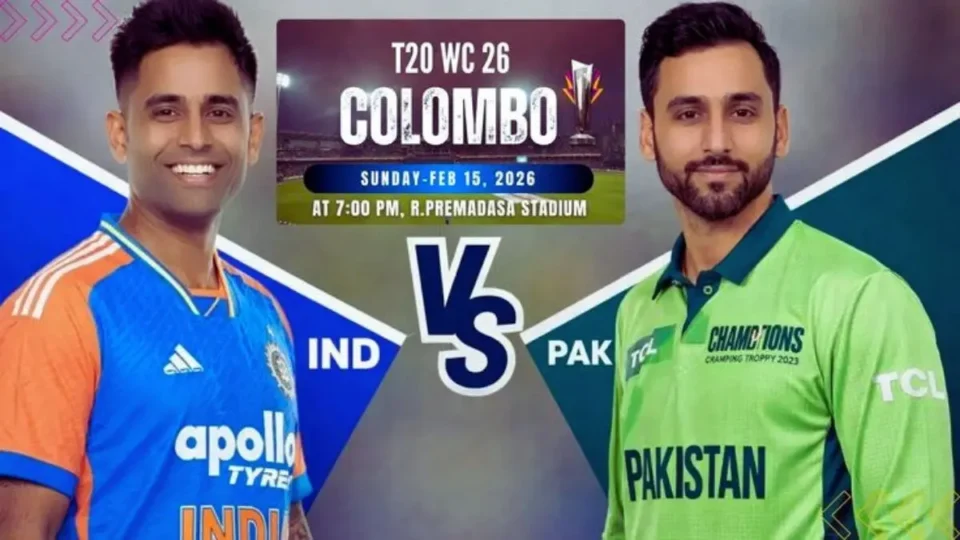
Pakistan’s refusal to face India in the T20 World Cup 2026 sparks a major ICC crisis, raising questions about politics, tournament integrity, and the future of global cricket.
The cricketing world has been rocked by a dramatic development after reports emerged that Pakistan may refuse to take the field against India during the ICC Men’s T20 World Cup 2026. The International Cricket Council (ICC) responded with a strongly worded media release, expressing concern over the concept of “selective participation” in a global tournament built on fairness and competitive integrity. The situation has ignited debate among fans, administrators, and former players, raising serious questions about politics, sport, and the future of international cricket.
This controversy is more than just a scheduling dispute — it touches the core values of global cricket and threatens to disrupt one of the sport’s biggest events.
What the ICC Statement Says
The ICC’s official communication highlights its discomfort with the idea of any team choosing matches selectively in a tournament where all qualified teams are expected to compete under equal conditions. While the ICC is awaiting formal confirmation from the Pakistan Cricket Board (PCB), it made clear that selective participation undermines the spirit and sanctity of international competition.
The council emphasized that ICC tournaments are designed around principles of integrity, competitiveness, consistency, and fairness. According to the governing body, allowing exceptions based on political directives would create a dangerous precedent and damage the credibility of the sport.
The ICC also stressed that it respects national governments and their policies. However, it warned that such decisions could harm the global cricket ecosystem and affect millions of fans, including those in Pakistan.
Why the India–Pakistan Fixture Matters
India vs Pakistan is not just another cricket match — it is the most watched rivalry in the sport. Whenever these two nations meet, global viewership skyrockets. Stadiums sell out in minutes, digital platforms record record-breaking traffic, and advertisers invest heavily in the spectacle.
From a commercial perspective, the match is often considered the financial backbone of major ICC tournaments. Broadcasters rely on this fixture to recover significant investments. Sponsors structure entire marketing campaigns around it.
If Pakistan refuses to play, the financial ripple effect could be enormous:
-
Broadcasting contracts may face complications
-
Advertisers could demand renegotiations
-
Ticket revenue could collapse
-
Tournament scheduling could be disrupted
The ICC is acutely aware that the India–Pakistan game is central to the tournament’s global appeal.
Political Tensions and Sporting Consequences
The roots of this situation lie in long-standing political tensions between the two nations. Cricket has historically reflected the ups and downs of India–Pakistan diplomatic relations. Bilateral series have been suspended for years, and matches between the sides now occur almost exclusively in ICC or Asian Cricket Council events.
Sport has often served as a bridge between nations, but it has also been used as a tool of protest. A refusal to play would represent one of the most dramatic escalations in cricket diplomacy.
Experts argue that mixing politics and sport carries long-term risks. Once teams begin choosing opponents, tournaments lose credibility. Competitive balance suffers, and fans begin to question whether results are earned or influenced by external pressures.
Impact on Players
Players on both sides are caught in the middle. For cricketers, representing their country on the world stage is the pinnacle of their careers. A forced withdrawal from a high-profile match denies them:
-
Career-defining moments
-
Global exposure
-
Competitive growth
-
Personal legacy opportunities
Many players have previously spoken about their desire to compete purely as athletes, separate from political disputes. A cancellation would likely be emotionally difficult for teams that have trained for years to reach the World Cup stage.
Fan Reaction Worldwide
The strongest reaction has come from fans. Social media has exploded with debate, anger, and disappointment. Supporters across both countries — and neutral fans globally — view India vs Pakistan as cricket’s greatest rivalry.
For many fans, these matches are cultural events that transcend sport. Families gather to watch. Cities slow down. The atmosphere rivals that of a World Cup final.
A refusal to play would leave millions feeling cheated. Cricket thrives on emotional investment, and breaking that connection could damage trust in international tournaments.
Financial Stakes for the ICC
The ICC operates in a complex financial ecosystem. Major tournaments fund the development of cricket worldwide, especially in associate nations. Revenue generated from marquee matches helps sustain grassroots programs, infrastructure, and expansion efforts.
If the tournament loses its biggest draw, the consequences may include:
-
Reduced global revenue
-
Budget cuts in development programs
-
Lower investment in emerging cricket markets
-
Sponsor hesitation in future events
In short, the issue extends far beyond one match.
The PCB’s Position
While the PCB has yet to release full official clarification, reports suggest internal discussions are ongoing. The board faces pressure from multiple directions:
-
Government expectations
-
Fan sentiment
-
Player welfare
-
ICC obligations
Balancing national policy with international commitments is a delicate task. The PCB is a member of the ICC and benefits from its ecosystem. A standoff could strain long-term relationships within the global cricket community.
Legal and Regulatory Implications
ICC tournaments operate under strict participation agreements. Teams commit to playing scheduled matches as a condition of entry. Refusing to take the field could potentially trigger:
-
Fines
-
Points forfeiture
-
Tournament expulsion
-
Suspension risks
Legal analysts note that the ICC constitution prioritizes the independence of cricket boards from political interference. If government directives are seen as overriding sporting obligations, the situation could escalate into a governance dispute.
Historical Context
India and Pakistan have faced political barriers before, but ICC events have traditionally remained neutral ground. Even during periods of diplomatic freeze, both sides have honored World Cup commitments.
The rarity of outright refusal is what makes this moment unprecedented. Cricket historians compare the situation to past sporting boycotts in other disciplines, many of which left scars lasting decades.
Sporting boycotts rarely solve political issues — but they often leave fans and athletes paying the price.
Possible Outcomes
Several scenarios are now being discussed:
1. Diplomatic Resolution
Behind-the-scenes negotiations could lead to a compromise, allowing the match to proceed under neutral branding or special arrangements.
2. Forfeit Decision
Pakistan could forfeit the match, awarding India points without play. This would damage tournament competitiveness.
3. Rescheduling or Neutral Venue Adjustment
The ICC might explore structural changes, though such moves could set controversial precedents.
4. Withdrawal Escalation
In the worst-case scenario, a broader withdrawal could threaten Pakistan’s tournament participation entirely.
The ICC is pushing for a solution that protects competitive integrity without inflaming political tensions.
The Broader Message to Global Sport
This controversy extends beyond cricket. It raises universal questions about how international sport navigates geopolitics. Global tournaments rely on shared commitment to competition above politics. Once that principle weakens, every event becomes vulnerable to external disputes.
The ICC’s firm stance signals an attempt to defend the autonomy of sport. Administrators worry that leniency today could invite chaos tomorrow.
Voices from Former Players
Former cricketers from both countries have expressed concern. Many argue that cricket has historically served as a rare channel of engagement between India and Pakistan. Matches have sometimes softened public perception and fostered people-to-people connection.
Several retired players insist that denying future generations the chance to witness these contests would be a cultural loss, not just a sporting one.
Media and Global Perception
International media coverage has framed the issue as a test of the ICC’s authority. Observers are watching whether the governing body can enforce its principles without alienating a major cricketing nation.
The outcome could shape how future disputes are handled. A weak response might encourage political leverage in sport. A harsh response could fracture relationships.
The ICC must walk a tightrope.
The Emotional Core of the Rivalry
India vs Pakistan matches are layered with history, emotion, and symbolism. For fans, the game is about pride, nostalgia, and identity. Generations have grown up with memories tied to iconic encounters.
A cancellation would not simply erase a fixture — it would interrupt a shared sporting narrative that spans decades.
What Happens Next
All eyes are now on the PCB’s official communication. The ICC has indicated its willingness to pursue a “mutually acceptable resolution,” suggesting negotiations are ongoing. Cricket administrators understand the stakes are too high for hasty decisions.
The coming weeks will determine whether diplomacy prevails or confrontation defines the tournament.
The potential refusal by Pakistan to take the field against India represents one of the most serious challenges the ICC has faced in modern times. It places politics and sport in direct collision, testing the foundations of international competition.
At its heart, cricket is a global language spoken by fans who crave moments of shared excitement. The India–Pakistan rivalry embodies that spirit more than any other fixture. Preserving it is not just about revenue or rankings — it is about protecting the emotional heartbeat of the sport.
The ICC, PCB, and all stakeholders now carry the responsibility of ensuring that cricket remains a stage for competition, not division. The world is watching, and the future credibility of international tournaments may depend on how this crisis is resolved.
Pakistan Refuses to Take the Field Against India!
At the center of this controversy lies a fundamental question: can an international tournament function if participation becomes conditional? The ICC’s authority depends on the assurance that once teams qualify, they honor the full schedule. If exceptions are made for one nation, other boards may seek similar flexibility in future disputes.
Cricket administrators fear a domino effect. Imagine a scenario where political disagreements spread across regions — teams refusing to travel, declining to face certain opponents, or demanding neutral treatment outside existing frameworks. The entire tournament model could become unstable.
For decades, ICC competitions have been structured around neutrality. Even during tense geopolitical periods, cricket grounds have acted as temporary diplomatic zones. Breaking that unwritten rule could permanently alter how global tournaments are organized.
Pressure on Global Scheduling
Modern cricket operates on a tightly packed calendar. Franchise leagues, bilateral series, and ICC events compete for limited windows. A high-profile withdrawal introduces logistical chaos:
-
Fixture reshuffling strains broadcasting timelines
-
Travel plans for teams and officials get disrupted
-
Security and venue contracts face renegotiation
-
Preparation cycles collapse for affected squads
Unlike bilateral series, ICC tournaments involve multiple stakeholders across continents. A single disruption can cascade into a chain reaction affecting dozens of matches and millions in operational costs.
This is why the ICC views selective participation not as a political footnote, but as a structural threat to tournament delivery.
Sponsors and Commercial Confidence
Global sponsors invest in ICC events years in advance. Their commitment is based on predictability. The India–Pakistan rivalry, in particular, is considered one of the most reliable commercial assets in international sport.
Marketing campaigns are designed around that match. Advertising slots are sold at premium rates. Digital engagement metrics are forecast with remarkable accuracy because of historical demand.
If a key fixture disappears, sponsors may reconsider future commitments. Corporate partners want stability, not uncertainty. A prolonged dispute could reduce long-term commercial confidence in ICC tournaments — and once sponsor trust erodes, rebuilding it takes years.
For emerging cricket nations that rely on ICC funding, this financial shock could slow development programs and infrastructure growth.
Associate Nations Watching Closely
While the spotlight is on India and Pakistan, associate member nations are quietly observing the situation with concern. These countries depend heavily on ICC revenue to grow the sport domestically. Youth academies, coaching initiatives, and international exposure programs are funded through global tournament profits.
If political disputes between major cricket powers destabilize the system, associate nations are often the first to feel the impact. Reduced funding means fewer opportunities for expansion in regions where cricket is trying to compete with established sports.
In that sense, this crisis is not just about two teams — it is about the ecosystem that supports cricket’s global future.
The Role of Neutral Venues
One compromise frequently discussed in cricket diplomacy is the use of neutral venues. In past years, politically sensitive series have been hosted in third countries to ensure competition continues without escalating tensions.
However, neutral venues are not a perfect solution. They introduce:
-
Additional travel fatigue
-
Reduced home advantage
-
Lower local ticket revenue
-
Security complexities
For a World Cup event, the challenge is even greater. Host nations invest enormous resources into preparation. Altering venues mid-tournament can disrupt months of logistical planning.
Still, neutral staging remains one of the few diplomatic tools available to prevent total cancellation.
Psychological Impact on Teams
Elite athletes thrive on clarity and routine. Uncertainty disrupts mental preparation. When players do not know whether a marquee match will happen, it affects focus and morale.
Coaches structure training cycles around key fixtures. Analysts build strategies months in advance. A sudden withdrawal removes the competitive target that drives preparation intensity.
Sports psychologists note that prolonged uncertainty can create emotional fatigue. Players may feel helpless, caught between national loyalty and professional ambition. Such stress can spill into performance in unrelated matches.
The human element of this crisis should not be underestimated.
Fan Culture and Identity
For millions of supporters, India vs Pakistan is not merely a contest — it is woven into personal identity. Generations remember where they were during iconic matches. Stories are passed down like folklore.
The rivalry represents:
-
National pride
-
Shared nostalgia
-
Friendly neighborhood debates
-
Community celebrations
When a fixture of this magnitude disappears, it leaves a cultural vacuum. Fans feel robbed of a ritual that defines their sporting calendar.
In an age where sports compete with countless entertainment options, maintaining emotional traditions is crucial for audience loyalty.
Digital Era Amplification
Unlike past political disputes, today’s controversy unfolds in a hyperconnected digital world. Every development spreads instantly across social platforms. Opinions multiply at lightning speed.
This amplification has two effects:
-
Increased Pressure on Administrators
Governing bodies cannot negotiate quietly. Public reaction shapes perception in real time. -
Polarization of Fan Communities
Online debates quickly escalate into nationalistic arguments, intensifying emotional stakes.
The ICC must manage not only the sporting crisis but also the narrative surrounding it. Reputation management is now inseparable from tournament governance.
Lessons from Other Sports
International sport has faced similar crossroads before. Olympic boycotts, football sanctions, and geopolitical exclusions have repeatedly demonstrated a painful truth: once politics fully enters competition structures, athletes and fans suffer the consequences.
History shows that boycotts rarely achieve long-term political change. Instead, they create generational gaps in sporting history — missing rivalries, absent champions, and unfinished stories.
Cricket now stands at a comparable intersection. The decisions made here could echo for decades.
Media Responsibility
Journalistic coverage plays a crucial role in shaping public understanding. Sensational headlines can inflame tensions, while measured reporting can encourage dialogue.
Sports media has the power to frame the crisis as either confrontation or negotiation. Balanced analysis helps fans understand that administrators are navigating legal, diplomatic, and ethical complexities — not simply choosing sides.
Responsible storytelling can prevent escalation and preserve respect between cricketing communities.
The ICC’s Diplomatic Balancing Act
The ICC must defend its regulations while avoiding alienation of a key member nation. Pakistan is an essential pillar of global cricket, contributing talent, fan engagement, and historic significance.
A punitive approach could harden positions. A lenient approach could weaken governance authority. The ICC’s challenge is to create a pathway that allows Pakistan to participate without appearing to surrender institutional principles.
This is diplomacy disguised as sports management.
Voices from the Next Generation
Young fans, especially those discovering cricket through digital streaming, represent the sport’s future audience. For them, the India–Pakistan rivalry is a gateway into international cricket drama.
If this generation grows up without witnessing that rivalry regularly, the emotional magnet that attracts new followers could fade. Global sports thrive on iconic matchups. Remove the icons, and the narrative loses power.
Protecting the rivalry is also about protecting cricket’s long-term relevance.
Potential Mediation Channels
Behind closed doors, mediation may involve:
-
ICC executive committees
-
Independent legal advisors
-
Regional cricket councils
-
Neutral diplomatic intermediaries
Such negotiations often rely on creative language and face-saving compromises. Publicly, decisions appear technical. Privately, they are deeply political.
Successful mediation requires patience, confidentiality, and mutual respect.
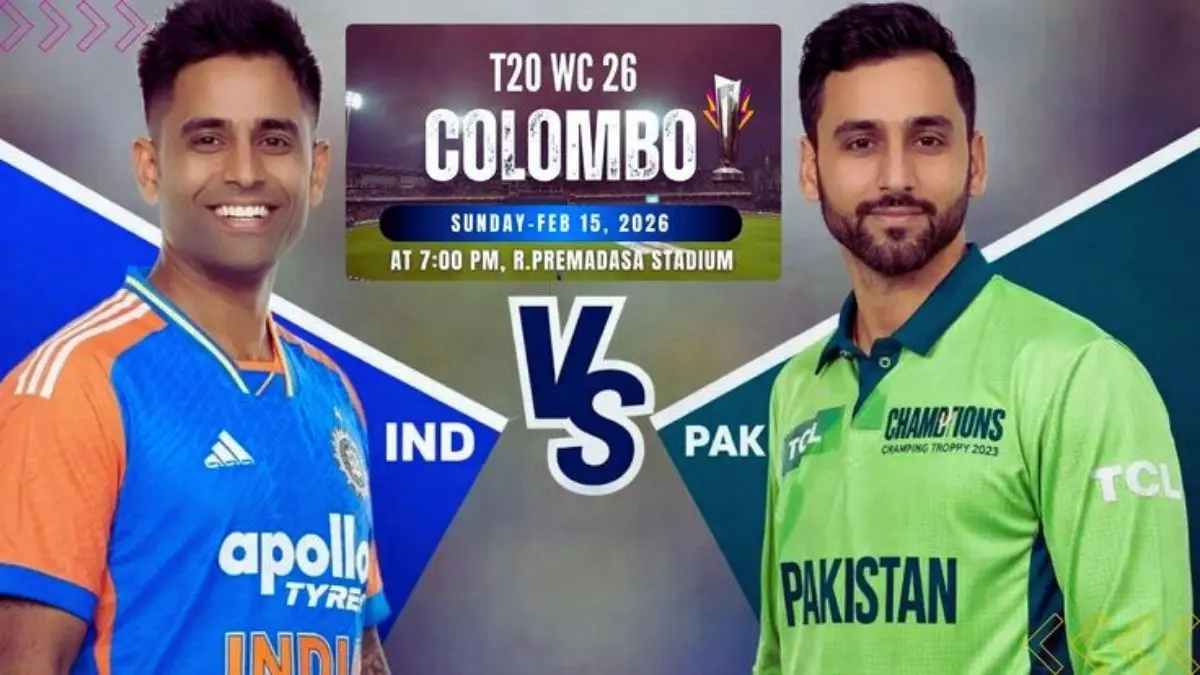
Pakistan Refuses to Take the Field Against India!
Long-Term Governance Questions
This crisis may prompt the ICC to reexamine its governance framework. Future tournament agreements could include stricter participation clauses, clearer dispute resolution mechanisms, and enhanced protections against political interference.
Administrators might also explore contingency models for politically sensitive fixtures, ensuring that tournaments remain resilient even under extraordinary circumstances.
Reform often follows crisis. Cricket governance may emerge stronger — but only if lessons are learned.
The Spirit of Cricket
The ICC frequently references the “spirit of cricket,” a philosophy emphasizing respect, fairness, and unity. This principle is being tested at the highest level.
True sporting spirit demands that competitors meet on the field, resolve rivalry through performance, and leave politics outside the boundary rope. Upholding that ideal is not easy in a world where sport and geopolitics intersect constantly.
Yet abandoning the principle entirely would erode the foundation that makes international cricket meaningful.
A Moment of Choice
Cricket stands at a defining moment. Administrators, players, and governments must decide whether the sport remains a shared global stage or becomes another arena for political standoffs.
The outcome will influence:
-
Future tournament credibility
-
Player careers
-
Fan trust
-
Financial stability
-
Global expansion of the game
Rarely has a single fixture carried such symbolic weight.
Final Reflection
The potential refusal to play is not simply a scheduling issue — it is a referendum on the independence of sport. Cricket has survived wars, political upheavals, and economic crises because it offered a space where competition replaced conflict.
The India–Pakistan rivalry embodies that paradox: fierce on the field, unifying in its global appeal. Protecting it requires courage, compromise, and vision from every stakeholder involved.
If diplomacy prevails, the 2026 T20 World Cup could become a testament to sport’s ability to transcend division. If confrontation wins, the tournament may be remembered not for its champions, but for the match that never happened.
