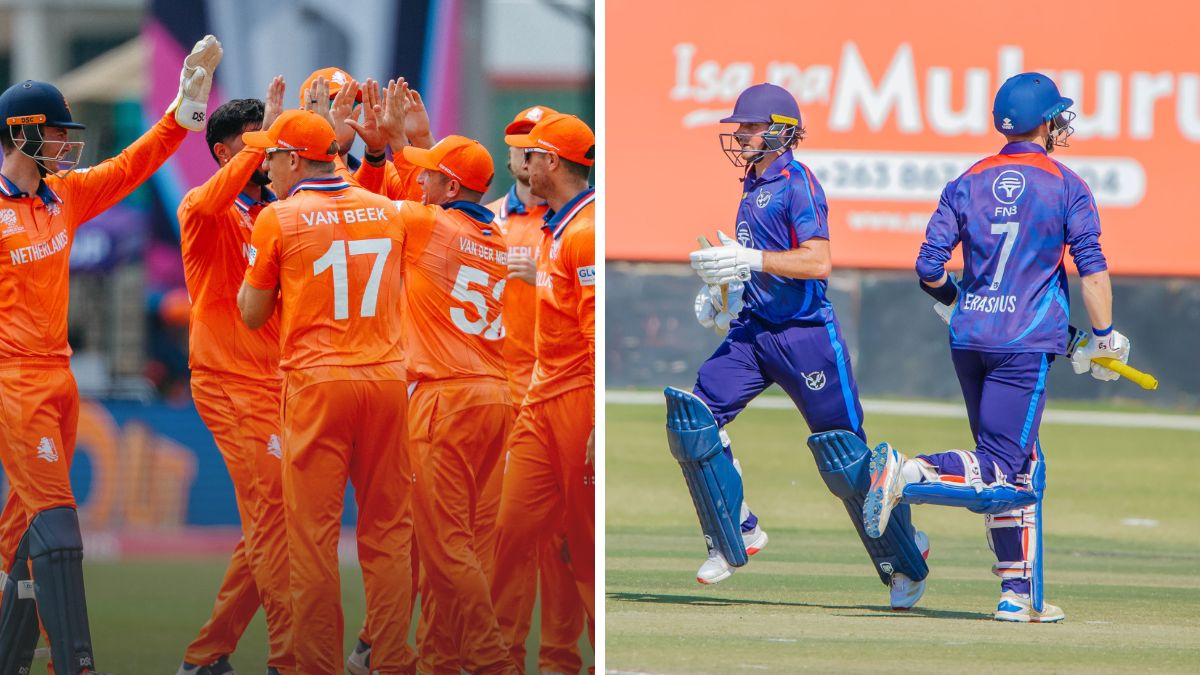
IND vs NAM T20 world Cup 2026 match details with full squad details, venue analysis, player highlights, and tactical insights from the Delhi showdown.
| India Line-up | Namibia Line-up |
| Sanju Samson | Louren Steenkamp |
| Ishan Kishan (Wk) | Jan Frylinck |
| Tilak Varma | Nicol Loftie-Eaton |
| Suryakumar Yadav (C) | Gerhard Erasmus (C) |
| Hardik Pandya | JJ Smit |
| Shivam Dube | Zane Green (Wk) |
| Rinku Singh | Malan Kruger |
| Axar Patel | Ruben Trumpelmann |
| Arshdeep Singh | Bernard Scholtz |
| Jasprit Bumrah | Ben Shikongo |
| Varun Chakaravarthy | Max Heingo |
The T20 World Cup 2026 group-stage clash between India and Namibia promises to be a fascinating contest that blends cricketing pedigree with emerging ambition. Scheduled to take place at the iconic Arun Jaitley Stadium in Delhi, the match represents more than just a group fixture — it is a showcase of global cricket growth, talent depth, and the unpredictable magic of the shortest format.
India enters the match as one of the tournament favorites, armed with a squad stacked with explosive batters, tactical bowlers, and versatile all-rounders. Namibia, meanwhile, arrives as a fearless associate nation determined to challenge the hierarchy and continue their upward rise in world cricket.
This article explores everything you need to know: match details, player breakdowns, venue conditions, tactical analysis, and the historical journey of both teams in T20 cricket.
Match Overview
-
Fixture: India vs Namibia
-
Tournament: ICC T20 World Cup 2026
-
Stage: Group Stage
-
Venue: Arun Jaitley Stadium, Delhi
-
Format: T20 International
-
Importance: Key points match affecting group standings
India will be expected to dominate on paper, but T20 cricket rarely follows scripts. Namibia has built a reputation for upsetting established teams, and their disciplined style makes them dangerous opponents.
India Squad Breakdown
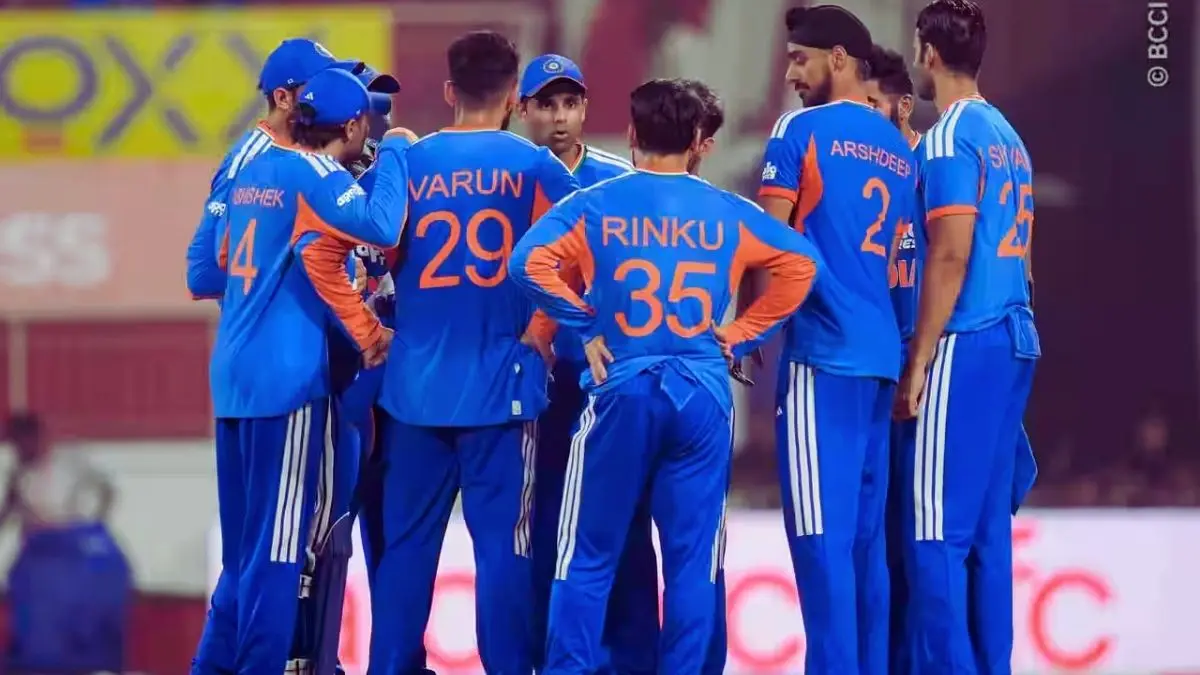
India’s squad combines aggressive batting, world-class pace bowling, and high-quality spin options. The team is built for adaptability — a critical trait in tournament cricket.
Suryakumar Yadav (Captain)
Suryakumar Yadav is one of the most innovative T20 batters in the world. His 360-degree stroke play, fearless intent, and leadership instincts make him the centerpiece of India’s batting order. As captain, he brings calmness and aggressive strategy.
He thrives under pressure and has repeatedly demonstrated the ability to shift momentum within a few overs.
Ishan Kishan (Wicketkeeper)
Ishan ishan provides explosive top-order firepower. His clean striking and fearless mindset allow India to attack during powerplay overs. As wicketkeeper, he adds balance and flexibility to team selection.
Axar Patel
Axar is a crucial all-rounder who offers control with the ball and composure with the bat. His left-arm spin is particularly effective on Indian surfaces, and he often contributes vital runs in the middle order.
Kuldeep Yadav
A wrist-spinner with match-winning ability, Kuldeep is a major weapon in the middle overs. His variations trouble even the best batters, making him a constant wicket-taking threat.
Hardik Pandya
Hardik Pandya remains one of the most valuable T20 all-rounders globally. His finishing power, seam bowling, and leadership experience provide India with unmatched balance.
He is a proven match-winner in global tournaments.
Jasprit Bumrah
India’s pace spearhead, Bumrah is a master of death bowling. His yorkers, slower balls, and composure under pressure are unmatched. He is often the difference between winning and losing tight matches.
Ishan Kishan
An aggressive left-handed opener, Kishan injects early momentum. He thrives on fast scoring and can dismantle bowling attacks within the first six overs.
Rinku Singh
Rinku has earned a reputation as a finisher. His calm temperament and power-hitting ability make him dangerous in closing overs.
Mohammed Siraj
Siraj brings pace, aggression, and wicket-taking ability. He attacks the stumps and creates early breakthroughs.
Washington Sundar
A versatile off-spinning all-rounder, Sundar adds tactical depth. He can bowl in the powerplay and stabilize innings with the bat.
Shivam Dube
Dube’s power hitting against spin makes him a valuable middle-order option. His medium pace provides extra bowling coverage.
Abhishek Sharma
A dynamic young all-rounder known for fearless batting and left-arm spin. He represents India’s next generation of T20 talent.
Varun Chakravarthy
A mystery spinner capable of deceiving batters with variations. On slow Delhi pitches, he could be a game-changer.
Arshdeep Singh
A left-arm pacer skilled in swing and death bowling. Arshdeep adds variety and control.
Tilak Varma
A technically gifted batter with maturity beyond his years. He strengthens India’s middle order.
Namibia Team Identity
Namibia may not have India’s star power, but they bring discipline, teamwork, and resilience. Associate teams often rely on structured plans and fearless execution.
Their strengths include:
-
Fielding intensity
-
Smart bowling changes
-
Tactical awareness
-
Strong team chemistry
Namibia thrives on pressure moments and has previously stunned higher-ranked opponents.
Venue Analysis: Arun Jaitley Stadium, Delhi
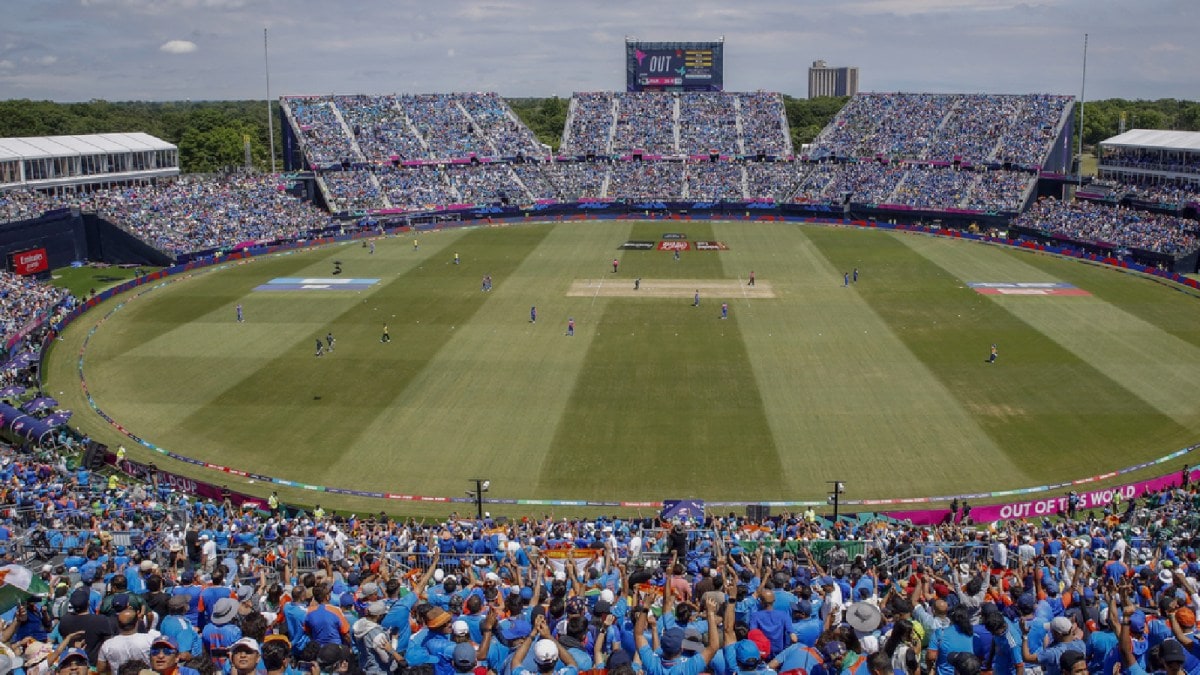
The Arun Jaitley Stadium is one of India’s most historic cricket venues.
Pitch Characteristics
-
Typically batting-friendly
-
Short boundaries encourage high scores
-
Spin becomes influential as the game progresses
-
Dew can affect night matches
Scores above 180 are common in T20 matches here. Teams chasing often enjoy an advantage due to dew.
Historical Matches at the Venue
Delhi has hosted many iconic T20 contests, IPL thrillers, and international clashes. The stadium is known for:
-
Fast outfields
-
Loud crowds
-
High-scoring encounters
-
Dramatic finishes
Batters who play aggressively usually succeed, but smart spin bowling can change games instantly.
India’s Strategy
India will likely:
-
Attack during powerplay
-
Use spin choke in middle overs
-
Finish strongly with Bumrah and Arshdeep
Their strength lies in depth. Even late-order batters can clear boundaries.
Namibia’s Strategy
Namibia must:
-
Bowl tight early overs
-
Slow the run rate through spin
-
Target India’s middle order
-
Capitalize on fielding pressure
Upsets occur when underdogs control tempo and force mistakes.
India vs Namibia: Historical Context
While India is a cricket superpower with decades of dominance, Namibia represents the growth of global cricket.
India’s T20 history includes:
-
2007 T20 World Cup victory
-
Multiple semifinal and final appearances
-
World-class IPL development pipeline
Namibia’s rise includes:
-
Associate nation breakthroughs
-
Competitive ICC tournament performances
-
Rapid infrastructure growth
-
Youth talent development
This matchup symbolizes cricket’s expansion beyond traditional boundaries.
Key Players to Watch
India
-
Suryakumar Yadav – Creative batting genius
-
Hardik Pandya – Match-changing all-rounder
-
Jasprit Bumrah – Death overs specialist
-
Kuldeep Yadav – Spin weapon
Namibia
-
Emerging all-round leaders
-
Tactical bowlers
-
Fearless young batters
Match Expectations
This contest could unfold in multiple ways:
-
India dominates with batting firepower
-
Namibia restricts scoring and creates upset pressure
-
Spin decides middle overs
-
A last-over thriller
T20 cricket rewards bold decisions and punishes hesitation.
Crowd and Atmosphere
Delhi crowds bring unmatched energy. The stadium will be loud, passionate, and electric. Support for India will be overwhelming, but neutral fans often rally behind underdogs like Namibia.
This atmosphere adds pressure and excitement.
Tournament Impact
Group-stage matches define qualification paths. A strong win improves net run rate, crucial in tight standings.
India seeks momentum. Namibia seeks history.
Final Thoughts
India vs Namibia in the T20 World Cup 2026 is more than a group match. It represents:
-
Established power vs rising ambition
-
Star players vs collective grit
-
Experience vs hunger
T20 cricket thrives on unpredictability, and that is what makes this contest compelling.
Whether it becomes a high-scoring spectacle or a tactical chess match, fans can expect drama, skill, and unforgettable moments.
IND vs NAM T20 world Cup 2026 match details
India’s T20 philosophy has evolved dramatically over the past decade. The modern approach is centered around relentless scoring pressure, flexible batting roles, and fearless intent. Against Namibia, India is likely to maintain a high tempo from the first ball.
The opening partnership will play a critical role. A strong start allows India’s middle order to attack without hesitation. Players like Ishan Kishan and Sanju Samson specialize in exploiting the powerplay, targeting gaps and clearing short boundaries. Their goal is simple: destabilize the opposition early.
Suryakumar Yadav acts as the pivot of the batting lineup. His ability to score at will against both pace and spin allows India to accelerate in any situation. He doesn’t just score runs — he dictates the rhythm of the match.
Behind him, India possesses unusual batting depth. Hardik Pandya, Rinku Singh, Tilak Varma, and Shivam Dube ensure there is no safe period for the opposition. Even if early wickets fall, India can recover instantly.
This depth is psychologically damaging for opponents. Namibia cannot relax at any stage — every over is an attacking phase.
India s Bowling Structure: Layered Attack Strategy
India’s bowling unit is built around variation and tactical intelligence. Rather than relying on raw pace alone, the attack combines seam precision, spin deception, and match awareness.
Bumrah and Arshdeep form a lethal new-ball and death-overs partnership. Bumrah’s yorkers restrict scoring in the final overs, while Arshdeep’s swing creates early breakthroughs.
The spin trio — Kuldeep Yadav, Axar Patel, and Varun Chakravarthy — provides India with middle-over dominance. Delhi pitches traditionally reward spin, and India will aim to squeeze Namibia through dot-ball pressure.
Washington Sundar adds flexibility. He can bowl inside the powerplay, disrupt momentum, and force risky shots.
This layered bowling structure allows India to control tempo. They are not just defending totals — they are actively hunting wickets.
Namibia s Cricketing Journey: From Associate to Contender
Namibia’s presence in the T20 World Cup is not accidental. It is the result of sustained investment, disciplined coaching, and a strong domestic development structure.
Associate cricket has changed dramatically in the last decade. Teams like Namibia are no longer just participants — they are competitors. They arrive with professional fitness standards, tactical planning, and fearless ambition.
Namibia’s rise reflects a larger story about cricket’s globalization. Smaller nations now believe they can challenge established powers. This belief transforms performance.
Their strength lies in team unity. Unlike star-driven squads, Namibia relies on collective execution. Every player understands their role. Every over is planned.
That structure makes them dangerous.
The Psychological Dimension of the Match
T20 cricket is as much mental as it is physical. India carries expectation; Namibia carries opportunity.
For India, the pressure is to dominate. Anything less than a convincing win invites scrutiny. Big teams often struggle when expectations become heavy.
For Namibia, the pressure is liberating. They play without fear. They can attack because they have nothing to lose.
This psychological contrast creates unpredictable moments. A few early wickets, a sharp fielding effort, or a surprise bowling spell can change the emotional direction of the match.
Momentum swings quickly in T20 cricket.
Fielding: The Silent Match Winner
Modern T20 matches are frequently decided in the field.
India has dramatically improved athleticism over the years. Direct hits, diving stops, and boundary saves have become routine. Fielding is no longer secondary — it is a strategic weapon.
Namibia, however, is known for disciplined, high-energy fielding. Associate teams often compensate for batting gaps through exceptional fielding intensity. A single run-out can shift confidence instantly.
Expect this contest to feature aggressive inner-circle pressure, fast boundary coverage, and attacking catching positions.
Every saved run matters.
Possible Match Scenarios
Scenario 1: India Bat First and Dominate
India posts a total above 190. Their spinners then choke Namibia in the middle overs. A professional, one-sided win.
Scenario 2: Namibia Strike Early
India loses early wickets. Namibia senses opportunity. Pressure builds. The match becomes tense and unpredictable.
Scenario 3: Spin Decides the Match
The Delhi pitch slows dramatically. Wrist spin becomes decisive. Batters struggle to accelerate.
Scenario 4: A Last-Over Finish
Namibia pushes India deep into the chase. Bumrah defends a tight total. The stadium erupts.
T20 cricket thrives on chaos. Any of these paths is possible.
Historical Comparisons: Giant vs Challenger Matches
Cricket history contains many moments where underdogs stunned giants:
-
Netherlands defeating England
-
Ireland shocking Pakistan
-
Afghanistan challenging top teams
-
Scotland beating established nations
These matches redefine belief. Namibia enters this contest carrying the spirit of those victories.
India understands this danger. They cannot afford complacency.
Delhi Crowd Factor
Home advantage is real. Indian crowds create emotional momentum. Noise amplifies pressure on visiting teams and energizes local players.
However, large crowds also create expectation. India must channel energy positively. Namibia must block out distraction and focus on execution.
The atmosphere will be electric — every boundary cheered, every wicket celebrated like a final.
Tournament Implications Beyond One Match
Group-stage matches determine more than points. They shape momentum.
A dominant win builds confidence. A close escape exposes weaknesses. Teams often carry emotional residue from early matches into later rounds.
For India, this game sets tone and authority.
For Namibia, a competitive performance can define their entire tournament.
Individual Battles to Watch
-
Bumrah vs Namibia’s top order
-
Kuldeep’s spin vs middle-over resistance
-
Hardik Pandya vs death overs
-
Namibia’s fielding vs India’s power hitters
Cricket is a collection of small battles that create a final result.
Weather and Match Conditions
Delhi evening matches often involve dew. Dew benefits chasing teams because the ball becomes harder to grip, especially for spinners.
Captains must read conditions perfectly. Toss decisions can influence strategy.
Adaptability wins tournaments.
Why This Match Matters for Global Cricket
This game symbolizes cricket’s expansion. It highlights the bridge between traditional giants and emerging nations.
When associate teams challenge elite sides, the sport grows. Viewers see new stories, new heroes, and new rivalries.
Cricket’s future depends on competitive balance.
Matches like India vs Namibia accelerate that future.
Closing Thoughts – Part 2
This encounter is not just about runs and wickets. It is about identity, ambition, and evolution.
India represents mastery and expectation. Namibia represents courage and possibility.
T20 cricket compresses drama into three hours. Within that window, reputations can change, heroes can emerge, and history can bend.
Fans should not measure this match by rankings alone. They should watch it as a story unfolding — power versus belief.
And in T20 cricket, belief can be dangerous.