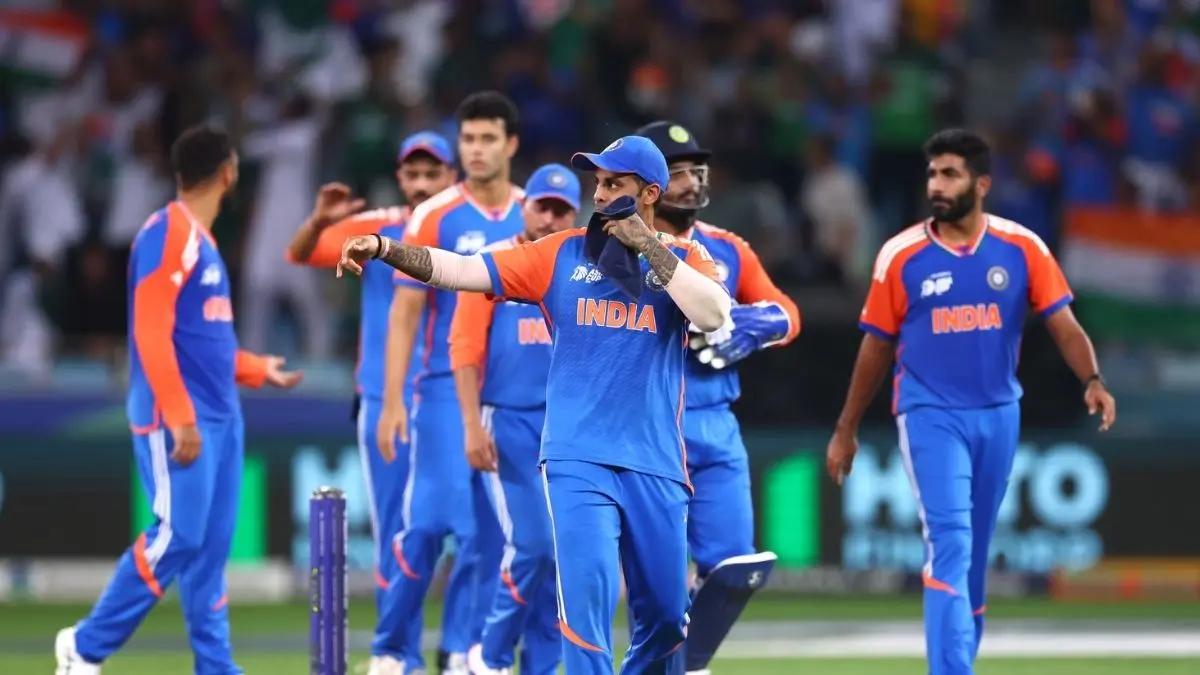
India vs Namibia T20 World Cup 2026 Full match preview, venue insights, squad analysis, key players, tactics, and predictions for the exciting group-stage clash in Delhi.
| India | Namibia |
| Sanju Samson | Louren Steenkamp |
| Ishan Kishan (Wk) | Jan Frylinck |
| Tilak Varma | Nicol Loftie-Eaton |
| Suryakumar Yadav (C) | Gerhard Erasmus (C) |
| Hardik Pandya | JJ Smit |
| Shivam Dube | Zane Green (Wk) |
| Rinku Singh | Malan Kruger |
| Axar Patel | Ruben Trumpelmann |
| Arshdeep Singh | Bernard Scholtz |
| Jasprit Bumrah | Ben Shikongo |
| Varun Chakaravarthy | Max Heingo |
The T20 World Cup 2026 group stage clash between India and Namibia promises to be one of the most intriguing matchups of the tournament. While India enters as a tournament heavyweight with a star-studded squad packed with power hitters and elite bowlers, Namibia arrives as a fearless associate nation eager to challenge cricketing giants and prove their rapid growth in international T20 cricket.
Scheduled to be played at the iconic Arun Jaitley Stadium in Delhi, this contest is not just about points in the group table — it is about contrasting cricket cultures, tactical evolution, and the unpredictable beauty of T20 cricket. In the shortest format, reputations can vanish in a single over, and underdogs can rewrite history.
This article covers everything: match preview, venue conditions, squad breakdown, tactical strategies, player profiles, expected playing XI, and key battles that could define the game.
Match Overview
India vs Namibia
T20 World Cup 2026 – Group Stage
Venue: Arun Jaitley Stadium, Delhi
Format: T20 International
Match Type: Day/Night
India enters the fixture as strong favorites, but Namibia has developed a reputation for fearless cricket, structured bowling plans, and aggressive top-order intent.
The group stage is always dangerous territory for top teams. One upset can shake the entire tournament. India will aim to dominate early, build net run rate, and test bench strength. Namibia will play with nothing to lose — and that makes them dangerous.
Venue Analysis: Arun Jaitley Stadium, Delhi
The Arun Jaitley Stadium is one of India’s most famous cricket grounds. Known for high-scoring T20 encounters, the venue offers:
-
Short boundaries
-
Flat batting pitch
-
Quick outfield
-
Dew factor in evening matches
-
Minimal assistance for fast bowlers
-
Spin becomes crucial in middle overs
Historically, T20 matches here often cross 180+ totals. Chasing teams benefit from dew, making toss decisions critical. Captains generally prefer to bowl first.
Spinners with variations and death bowlers with yorker accuracy often determine outcomes at this venue.
India Squad Overview
India’s squad blends explosive batting depth with a lethal pace attack and high-quality spin options. The leadership core brings experience, while younger players provide fearless intent.
Key Indian Players
Suryakumar Yadav (Captain)
One of the most innovative T20 batters in the world. His 360-degree stroke play makes him nearly impossible to set fields against. He thrives under pressure and accelerates in the middle overs.
Sanju Samson (Wicketkeeper)
Elegant, attacking, and capable of match-winning innings. Samson’s ability to counter spin and pace equally makes him crucial in Delhi conditions.
Hardik Pandya
India’s most valuable T20 all-rounder. Power hitting, seam bowling, and tactical awareness give balance to the team. He often shifts momentum in 2–3 overs.
Jasprit Bumrah
The ultimate T20 weapon. His yorkers, slower balls, and calmness in death overs are unmatched. He controls games like few bowlers in world cricket.
Axar Patel & Kuldeep Yadav
Spin twins who dominate middle overs. Delhi pitch suits their style. Axar is economical and attacking; Kuldeep brings wicket-taking wrist spin.
Tilak Varma & Abhishek Sharma
Young attacking left-handers who add fearless intent. They represent India’s aggressive T20 future.
Namibia Squad Overview
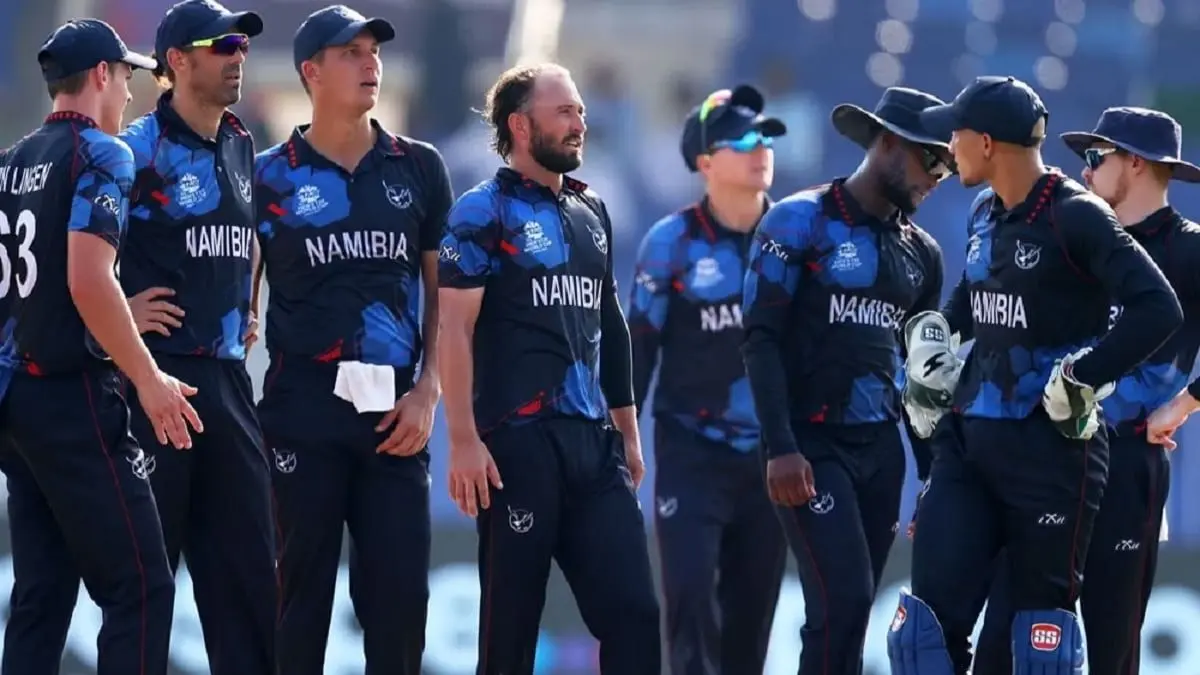
Namibia’s strength lies in discipline and structure. They don’t rely on individual superstars; instead, they function as a well-drilled unit.
Namibia focuses on:
-
Tight powerplay bowling
-
Smart fielding
-
Rotating strike
-
Capitalizing on mistakes
-
Targeting weaker bowling overs
They often punch above their weight by playing percentage cricket.
Namibia will look to slow India’s scoring rate early and force risky shots. Their best chance is to drag the match deep and create scoreboard pressure.
Tactical Battle: India’s Power vs Namibia’s Discipline
This match represents a classic T20 contrast:
India: Explosive batting depth, aggressive tempo
Namibia: Structured bowling, patience, fielding efficiency
If India gets a fast start, the match could slip quickly. If Namibia controls powerplay scoring, pressure shifts dramatically.
Expected India Playing XI
-
Isan Kisan (wk)
-
Tilak Varma
-
Suryakumar Yadav (c)
-
Hardik Pandya
-
Rinku Singh
-
Axar Patel
-
Washington Sundar
-
Mohammed Siraj
This lineup offers batting till number 8 and bowling variety across conditions.
Bumrah vs Namibia Top Order
If Bumrah strikes early, Namibia could collapse under pressure. His new-ball spell is match-defining.
Suryakumar vs Spin
Namibia’s spinners must stop SKY’s scoring zones. Once he settles, he accelerates brutally.
Hardik Pandya vs Death Overs
Hardik finishing strongly can push totals beyond Namibia’s reach.
India’s Winning Strategy
-
Attack powerplay aggressively
-
Target weaker bowlers
-
Use spin choke in middle overs
-
Bumrah closes the match
India thrives when momentum stays forward. They will avoid conservative batting.
Namibia’s Winning Strategy
-
Restrict India under 170
-
Build partnerships
-
Avoid middle-over collapse
-
Take the game to the last 3 overs
Namibia’s goal is to stretch pressure and create a surprise finish.
Pitch Impact on Team Selection
Delhi pitch favors:
-
Wrist spin
-
Batters with sweep and reverse sweep
-
Yorkers at the death
-
Batters who play 360-degree shots
India’s squad fits these conditions perfectly.
Pressure Factor
India plays under expectation. Namibia plays with freedom.
T20 cricket often rewards fearless teams.
If Namibia starts well, India could feel scoreboard tension.
Crowd Influence
Delhi crowd strongly supports India. Noise levels can energize the home team. But pressure also increases expectation.
Namibia will try to silence the stadium with early wickets.
Possible Match Scenario
If India bats first:
Expect 185+ total
If Namibia bats first:
India will chase aggressively
Key moment: Overs 7–14 (spin middle phase)
That’s where the match may turn.
Prediction
India remains heavy favorite due to squad depth and experience. However, T20 cricket never guarantees results.
Namibia’s path to victory:
Early wickets + controlled chase
India’s path:
Explosive batting + Bumrah finishing
Most likely result: India win, but competitive contest if Namibia executes plans.
Final Thoughts
India vs Namibia is more than a group-stage game. It represents global cricket growth. Associate nations like Namibia are narrowing the gap. Every tournament shows how T20 cricket democratizes competition.
India brings superstar power. Namibia brings ambition.
And in T20 cricket, ambition can sometimes shock the world.
Why This Match Matters
Group-stage matches in a T20 World Cup are often underestimated, but they shape tournament momentum. For India, every early match is about establishing dominance and building rhythm. Winning big boosts confidence and net run rate — a crucial factor in tight group standings.
For Namibia, this match is an opportunity to send a global message. Associate teams do not just participate anymore — they compete. A strong performance against India would elevate Namibia’s cricketing identity and inspire the next generation back home.
Modern T20 tournaments reward momentum. Teams that peak early often carry confidence deep into knockout stages. India will want to avoid complacency. Namibia will aim to disrupt expectations.
India’s Batting Depth: A Tactical Breakdown
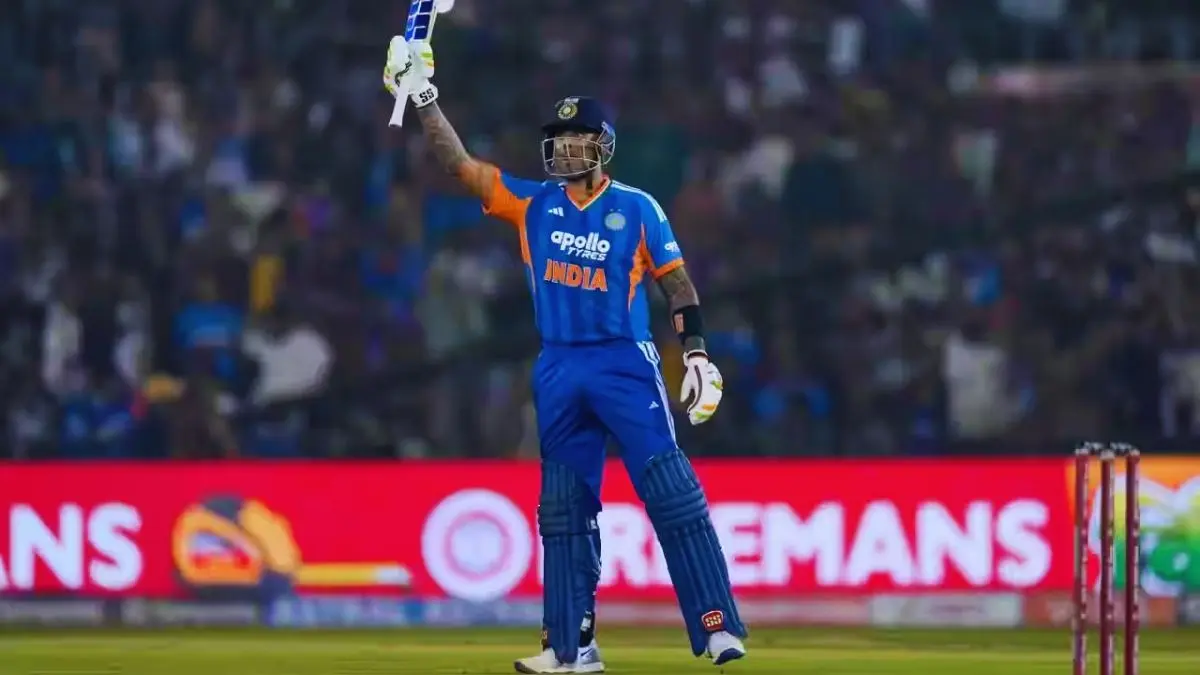
India’s batting lineup is designed for relentless pressure. There is no recovery period for bowlers — every new batter arrives with attacking intent.
Powerplay Approach
India’s opening strategy revolves around:
-
Boundary-heavy first 6 overs
-
Forcing fielding errors
-
Targeting pace bowlers early
-
Avoiding dot-ball pressure
Sanju Samson is likely to play high-risk cricket early, while Tilak Varma stabilizes and rotates strike. This left-right combination disrupts bowling rhythm.
If India scores 55+ in the powerplay, Namibia will struggle to regain control.
Middle Overs Strategy
This phase belongs to Suryakumar Yadav.
He is not a traditional anchor. He attacks spin, sweeps aggressively, and invents scoring angles. India uses him as a momentum amplifier.
Support from Hardik Pandya ensures acceleration never stops. Instead of consolidating, India attacks throughout overs 7–15.
This is modern T20 philosophy: controlled aggression, not survival.
Namibia’s Bowling Plan
Namibia must bowl with surgical precision. Their strategy will likely include:
-
Wide yorkers to power hitters
-
Slow cutters into the pitch
-
Packed off-side fields
-
Boundary protection over wicket-taking
Against India, dot balls are as valuable as wickets. Pressure creates mistakes.
Namibia’s best chance is forcing India into risky aerial shots toward long boundaries.
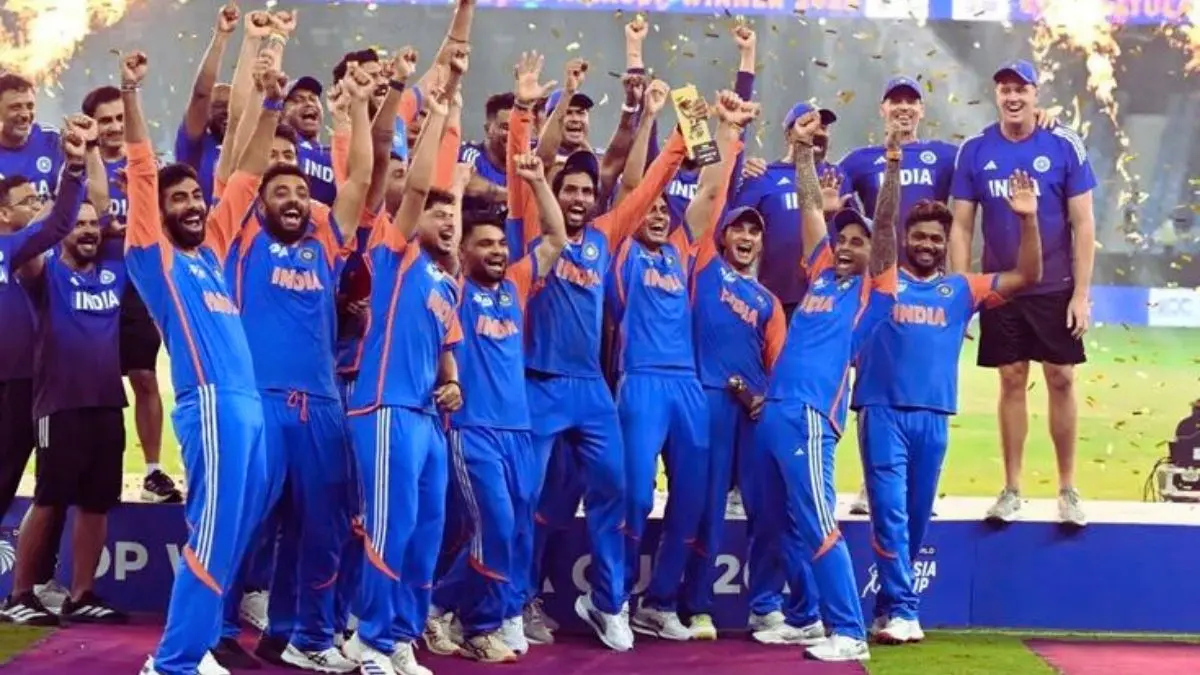
Spin Battle in Middle Overs
Delhi pitches historically reward spin once the ball softens.
India’s advantage:
-
Axar Patel: flat, fast, attacking lines
-
Kuldeep Yadav: deceptive wrist spin
-
Washington Sundar: powerplay control
Namibia must rotate strike constantly. Getting stuck against spin leads to collapses.
Expect India to attack with spin immediately after powerplay to choke Namibia’s run flow.
Fielding: The Silent Match Winner
Modern T20 matches are often decided by:
-
One dropped catch
-
One misfield
-
One direct-hit run out
India is one of the best fielding sides in world cricket. Their athleticism turns singles into pressure and pressure into wickets.
Namibia must match intensity. Against a superior batting side, fielding mistakes become fatal.
Death Overs Drama
Overs 16–20 define T20 outcomes.
India holds a massive edge here.
Jasprit Bumrah is arguably the greatest death bowler of his generation. His ability to deliver yorkers under pressure is unmatched. Mohammed Siraj complements him with pace and aggression.
If Namibia needs 50+ in the final 4 overs, India remains favorites.
If Namibia reduces that target to 30 or less, the match becomes volatile.
Psychological Pressure
India carries expectation. Namibia carries freedom.
Psychology influences T20 matches more than any format. A fearless underdog often plays cleaner cricket than a favorite burdened by expectations.
If Namibia stays competitive after 12 overs, India may feel pressure.
And pressure creates mistakes.
Simulated Match Scenario
Let’s imagine a realistic match flow.
India Batting First
Powerplay: India 58/1
Samson attacks early before falling to a slower ball. Tilak and SKY rebuild with aggression.
Middle overs: India 128/3 after 14 overs
Suryakumar launches a signature counterattack. Namibia struggles to contain sweeps and ramps.
Death overs: India finish 189/6
Hardik Pandya smashes late boundaries. Bumrah smiles from the dugout knowing the total is defendable.
Namibia Chase
Powerplay: Namibia 42/2
Siraj strikes early. Bumrah bowls a maiden over.
Middle overs: Namibia 97/4 after 14 overs
Kuldeep traps a batter LBW. Axar squeezes scoring.
Death overs: Namibia finish 163/7
India wins by 26 runs.
This is a plausible competitive script.
Alternative Upset Scenario
T20 thrives on chaos.
Imagine Namibia bowls India out for 158.
Suddenly pressure flips.
A calm Namibia chase with partnerships could shock the stadium.
One explosive 40-ball innings changes everything.
Upsets are rare — but never impossible.
Players to Watch
India
Suryakumar Yadav – The game breaker
Hardik Pandya – The momentum shifter
Jasprit Bumrah – The closer
Kuldeep Yadav – The middle-overs assassin
Namibia
Captain’s leadership – Tactical composure
Top-order anchor – Stability under pressure
Death bowler – Match survival specialist
Namibia’s success depends on discipline over brilliance.
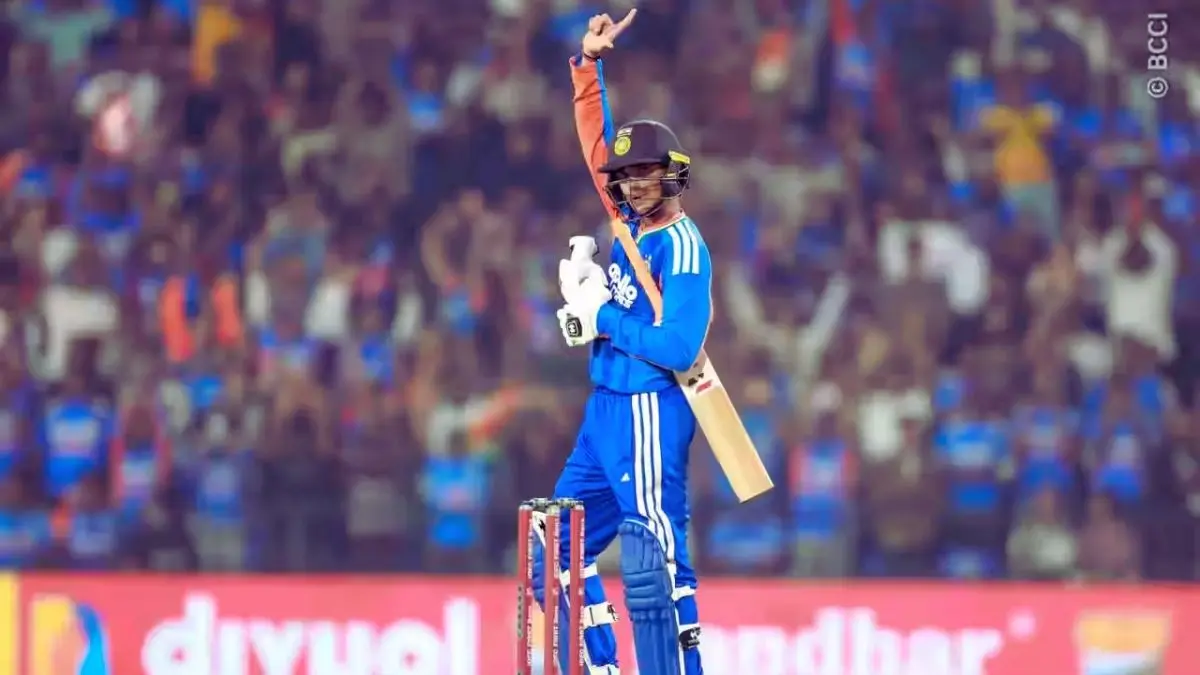
Weather Conditions
Delhi evenings are typically warm with light dew.
Dew factor:
-
Makes bowling harder
-
Helps chasing teams
-
Reduces spin grip
Toss becomes crucial.
Bowling first may be the smart choice.
Crowd and Atmosphere
Delhi crowds create electric energy. Noise levels rise with every boundary.
Indian players thrive in this environment. Visiting teams must communicate clearly despite crowd roar.
Namibia’s calmness under noise will be tested.
Tournament Implications
A big India win boosts net run rate.
A close Namibia performance earns respect.
A Namibia upset reshapes the group table entirely.
Every ball carries tournament consequences.
Final Expert Prediction
India has superior depth, experience, and match winners. On paper, they should win comfortably.
But T20 cricket ignores paper.
Execution decides everything.
Expected result: India win
Upset chance: Low but real
Entertainment value: Extremely high
Closing Reflection
This match symbolizes how global T20 cricket has evolved. Associate nations no longer enter tournaments just to participate — they aim to compete.
India represents cricketing excellence. Namibia represents cricketing ambition.
When excellence meets ambition, fans win.
No matter the result, matches like this grow the sport worldwide.