
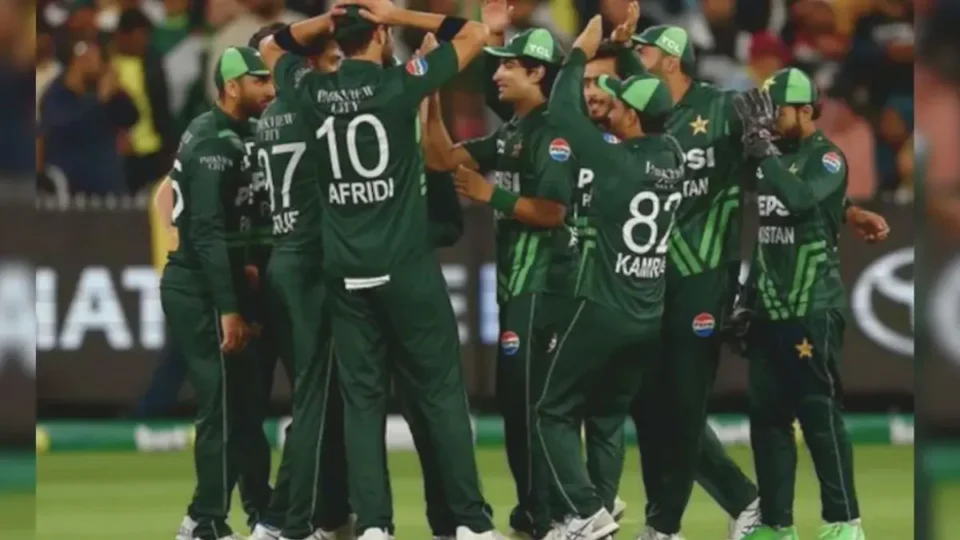
Pakistan edge Netherlands by 3 wickets in a tense T20 World Cup 2026 clash as Sahibzada Farhan anchors the chase and Salman Mirza delivers a match-winning bowling spell.
Netherlands Batting
| Player | Runs | Balls |
| Michael Levitt | 24 | 15 |
| Max O’Dowd | 5 | 7 |
| Bas de Leede | 30 | 25 |
| Colin Ackermann | 20 | 14 |
| Scott Edwards | 37 | 29 |
| Zach Lion-Cachet | 9 | 8 |
| Logan van Beek | 0 | 1 |
| Aryan Dutt | 13 | 8 |
| Roelof van der Merwe | 4 | 9 |
| Kyle Klein | 2 | 2 |
| Paul van Meekeren | 0 | 1 |
Pakistan Batting
| Player | Runs | Balls |
| Sahibzada Farhan | 47 | 31 |
| Saim Ayub | 24 | 13 |
| Salman Ali Agha | 12 | 8 |
| Babar Azam | 15 | 18 |
| Usman Khan | 0 | 2 |
| Shadab Khan | 8 | 12 |
| Mohammad Nawaz | 6 | 13 |
| Faheem Ashraf | 29 | 11 |
| Shaheen Afridi | 5 | 9 |
The T20 World Cup 2026 delivered another gripping contest as Pakistan edged past the Netherlands by 3 wickets in a tense group-stage encounter. In a match defined by momentum swings, sharp bowling spells, and fearless batting under pressure, Pakistan chased down a competitive Dutch total of 147 with just three balls to spare. Sahibzada Farhan’s fluent knock and Salman Mirza’s decisive bowling performance proved to be the difference-makers in a contest that kept fans on edge until the final over.
The game showcased the rising competitiveness of associate teams, with the Netherlands pushing a seasoned Pakistan side to the limit. From Scott Edwards’ composed innings to Faheem Ashraf’s explosive cameo, the match was packed with moments that highlighted the unpredictable beauty of T20 cricket.
Match Overview
The Netherlands posted 147/10 in 19.5 overs after opting to bat, setting Pakistan a tricky chase on a surface that offered assistance to bowlers. Pakistan responded with 148/7 in 19.3 overs, sealing victory in dramatic fashion.
Result: Pakistan won by 3 wickets (3 balls remaining)
Venue: T20 World Cup Group Stage
Player of the Match: Faheem Ashraf – 29* (11)
Netherlands Innings: Fighting Total Built on Grit
The Netherlands walked in knowing they needed a strong start against Pakistan’s disciplined attack. Their innings never fully exploded, but it was anchored by smart partnerships and calculated aggression.
Scott Edwards Leads from the Front
Captain Scott Edwards was the backbone of the Dutch innings. His 37 off 29 balls combined composure with calculated risk-taking. Edwards rotated strike efficiently and punished loose deliveries, ensuring the scoreboard kept ticking despite regular wickets falling around him.
His innings included crisp drives through cover and clever placements behind square. More importantly, he absorbed pressure during Pakistan’s middle-over squeeze, preventing a collapse that could have restricted the Netherlands to a sub-par total.
Bas de Leede’s All-Round Impact
Bas de Leede continued his reputation as one of the Netherlands’ most reliable performers. His 30 from 25 balls added stability after early wickets. De Leede targeted the spinners, using his footwork well to convert singles into twos and occasionally clearing the infield.
He stitched together a crucial partnership that lifted the Netherlands from a fragile position to a competitive platform. His ability to read lengths early allowed him to counter Pakistan’s variations effectively.
Michael Levitt Adds Momentum
Michael Levitt’s brisk 24 off 15 injected much-needed energy into the innings. His aggressive intent forced Pakistan to adjust field placements. Levitt attacked the seamers, particularly in the powerplay, ensuring the Netherlands did not fall behind the required run rate.
Although his stay was short, the impact was significant. His strike rate helped offset quieter overs and gave the Dutch dressing room belief that 150 was within reach.
Pakistan Bowling: Salman Mirza Steals the Spotlight
Pakistan’s bowling unit delivered a disciplined performance, with Salman Mirza emerging as the standout figure.
Salman Mirza’s Match-Defining Spell
Salman Mirza’s figures of 3/24 in 3.5 overs were crucial. He broke partnerships at key moments and displayed excellent control under pressure. His variations in pace and clever use of the crease unsettled Dutch batters.
Mirza’s ability to bowl accurate yorkers in the death overs ensured the Netherlands could not accelerate in the final stretch. Each wicket he claimed shifted momentum back toward Pakistan.
Abrar Ahmed’s Spin Control
Abrar Ahmed’s 2/23 added balance to Pakistan’s attack. His spin choked the middle overs, forcing batters into risky shots. Abrar varied his pace intelligently, drawing false strokes and restricting boundary opportunities.
His spell created scoreboard pressure that complemented Mirza’s wicket-taking burst.
Support from Saim Ayub and Others
Saim Ayub chipped in with a tidy 2/17, showcasing Pakistan’s depth. The combined effort of the bowling unit prevented the Netherlands from crossing the psychological 150 mark comfortably.
Pakistan Chase: A Test of Nerves
Chasing 148 on a slightly slow pitch required patience and awareness. Pakistan’s innings was far from smooth, as the Netherlands struck at regular intervals.
Sahibzada Farhan Anchors the Chase
Sahibzada Farhan produced the most composed innings of the match. His 47 off 31 balls was a masterclass in pacing a chase. Farhan balanced aggression with responsibility, ensuring Pakistan never drifted too far behind the asking rate.
He targeted gaps, ran hard between the wickets, and punished overpitched deliveries. His innings served as the spine of the chase. Even when wickets fell at the other end, Farhan remained unfazed.
His shot selection stood out. Rather than forcing big hits, he built his innings around high-percentage strokes, gradually tilting the contest in Pakistan’s favor.
Faheem Ashraf’s Explosive Finish
When pressure peaked, Faheem Ashraf delivered a game-changing cameo. His unbeaten 29 off just 11 balls transformed the chase. Ashraf attacked from the outset, clearing the boundary with fearless intent.
His ability to read the situation and accelerate instantly was remarkable. With the required rate climbing, Ashraf refused to let the game slip. Each boundary shifted the psychological advantage back to Pakistan.
His innings earned him Player of the Match honors, not just for the runs, but for the timing and impact of his contribution.
Saim Ayub’s Supporting Role
Saim Ayub added a useful 24 off 13, injecting momentum in the middle phase. His quick scoring relieved pressure on Farhan and kept the chase alive during a tricky stretch.
Netherlands Bowling: Relentless Pressure
The Dutch bowlers deserve immense credit for pushing Pakistan to the brink.
Aryan Dutt’s Control
Aryan Dutt’s 2/33 showcased his ability to strike at key moments. He maintained a tight line, forcing batters to take risks. His breakthroughs kept the Netherlands in the contest deep into the chase.
Paul van Meekeren’s Discipline
Paul van Meekeren’s 2/20 in 4 overs was one of the most economical spells of the match. He hit consistent lengths and extracted subtle movement off the surface. His accuracy forced Pakistan into cautious play.
Roelof van der Merwe’s Experience
Roelof van der Merwe’s clever variations added pressure. Though he picked up just one wicket, his economy rate helped drag the game into the final overs.
Key Turning Points
Several moments defined the match:
-
Mirza’s double strike that halted the Netherlands’ late surge.
-
Farhan’s steady anchor innings preventing a collapse during the chase.
-
Ashraf’s late assault, which crushed Dutch hopes in the final overs.
-
Van Meekeren’s tight spell, keeping the result uncertain until the end.
Tactical Analysis
Pakistan’s strategy revolved around controlled aggression. They did not panic during the chase, trusting their depth. Their bowling plan focused on variation rather than raw pace, which proved effective on a slower surface.
The Netherlands executed their plans impressively. Their field placements were sharp, and their bowlers adapted quickly. The narrow margin of defeat underlined how competitive associate cricket has become.
Player Performances Summary
Top Batters
-
Sahibzada Farhan – 47 (31)
-
Scott Edwards – 37 (29)
-
Bas de Leede – 30 (25)
-
Faheem Ashraf – 29* (11)
Top Bowlers
-
Salman Mirza – 3/24
-
Abrar Ahmed – 2/23
-
Paul van Meekeren – 2/20
-
Aryan Dutt – 2/33
Crowd and Atmosphere
The stadium buzzed with energy throughout the match. Supporters from both nations created a vibrant atmosphere. Every boundary and wicket triggered loud reactions, adding to the tension of a close finish.
Neutral fans were treated to a classic T20 thriller — the kind of match that defines World Cup tournaments.
What This Means for Pakistan
The victory gives Pakistan crucial points in the group stage but also highlights areas needing improvement. Their middle-order vulnerability remains a concern. However, their bowling depth and finishing power are encouraging signs.
Matches like this build resilience. Winning tight contests can shape a team’s confidence heading into knockout stages.
What This Means for the Netherlands
Despite the defeat, the Netherlands earned respect. They matched Pakistan in intensity and execution. Their performance sends a clear message: they are no longer underdogs to be taken lightly.
If they maintain this level, an upset win later in the tournament is entirely possible.
Pakistan vs Netherlands Scorecard: Sahibzada Farhan and Salman Mirza Shine in T20 WC 2026
Pakistan vs Netherlands in T20 World Cup 2026 will be remembered as a contest of nerve and precision. Sahibzada Farhan’s calm chase, Salman Mirza’s clinical bowling, and Faheem Ashraf’s explosive finish combined to produce a dramatic victory.
For the Netherlands, the match was a testament to their growth and fighting spirit. For Pakistan, it was a reminder that in T20 cricket, no target is simple and no opponent is weak.
This clash embodied the essence of the format — unpredictability, intensity, and unforgettable moments.
Over-by-Over Momentum Shift: How the Match Unfolded
One of the defining features of this contest was how momentum shifted almost every two overs. Neither side managed to fully dominate for a long stretch, which is why the result stayed uncertain until the final moments.
Powerplay: Netherlands Build a Base
The Netherlands began cautiously, aware of Pakistan’s new-ball threat. The first three overs were about survival and strike rotation rather than aggression. Pakistan’s seamers bowled tight lines, allowing only singles and occasional twos.
By the end of the powerplay, the Netherlands were steady but unspectacular. The scoring rate hovered just above seven per over — acceptable but not imposing. However, the lack of early wickets allowed Edwards and Levitt to settle.
That stability would later prove crucial.
Middle Overs: Spin vs Patience
Pakistan introduced spin early, signaling their intention to choke the run flow. Abrar Ahmed immediately slowed the tempo. His overs forced the Netherlands batters to manufacture shots rather than rely on pace.
This phase saw the Dutch adopt a smart approach. Instead of forcing boundaries, they rotated strike relentlessly. Edwards was particularly effective at nudging the ball into gaps. The partnership between Edwards and de Leede prevented Pakistan from taking full control.
Still, wickets fell at regular intervals — enough to deny a late-innings explosion.
Death Overs: Mirza’s Clinical Finish
The final four overs of the Netherlands innings defined the eventual chase target. Salman Mirza executed yorkers with surgical precision. His ability to mix slower balls with pace deliveries confused the batters.
Every time the Netherlands looked set for a 10+ run over, Mirza responded with a wicket or a dot-ball sequence. The pressure mounted quickly, and the innings ended at 147 — competitive, but not dominant.
In T20 cricket, those final overs often decide the winner. Here, they ensured Pakistan had a reachable but tricky target.
Pakistan’s Chase: A Psychological Battle
Chasing in a World Cup environment adds layers of pressure that statistics cannot measure. Pakistan’s innings was not just a run chase — it was a mental endurance test.
Early Overs: Controlled Start
Pakistan’s openers avoided unnecessary risks. The Netherlands bowlers hit disciplined lengths, making free scoring difficult. Dot balls began to pile up, increasing tension.
The breakthrough came when the Dutch bowlers exploited a slight hesitation between the wickets. A sharp piece of fielding resulted in a run-out chance that shifted the fielding side’s energy upward.
The Netherlands sensed opportunity.
Middle Phase Collapse Threat
This stretch was Pakistan’s most vulnerable period. Quick wickets exposed the middle order. Required run rate crept upward. The Dutch fielders grew louder, sharper, more aggressive.
Sahibzada Farhan became the calm center in the chaos.
He refused to panic. His singles, doubles, and occasional boundary kept Pakistan afloat. Rather than chasing the target emotionally, he chased it mathematically — over by over.
That discipline prevented a collapse.
The Turning Over
The match pivoted in a single over where Farhan struck back-to-back boundaries. The psychological pressure flipped instantly. Netherlands bowlers, who had been dictating terms, suddenly had to defend.
This is the beauty of T20 cricket: one over can rewrite the script.
From that moment onward, Pakistan believed again.
Faheem Ashraf: The Finisher’s Mindset
Finishing a T20 chase requires a unique mindset. It’s not about technique alone — it’s about decision-making under extreme pressure.
Faheem Ashraf walked in with a clear plan:
-
Target specific bowlers
-
Commit fully to attacking shots
-
Avoid hesitation
His first boundary sent a message. His second boundary created panic in the field. By the time he launched a clean strike into the stands, the Dutch body language revealed the shift.
Ashraf didn’t just score runs. He imposed inevitability.
That’s why his cameo mattered beyond numbers. It broke resistance.
Fielding Impact: Hidden Moments That Mattered
Scorecards rarely show how much fielding influences T20 matches.
Netherlands Fielding Highlights
The Dutch were exceptional inside the circle. Several diving stops saved boundaries. Their relay throws cut down extra runs. These small acts kept the required rate climbing slowly.
Without that fielding effort, Pakistan might have chased comfortably.
Pakistan’s Sharp Ground Fielding
Pakistan matched intensity with sharp infield work. A direct hit run-out opportunity created pressure even when it didn’t result in a wicket. Batters became cautious. Singles turned into risky calls.
That hesitation contributed to the Netherlands finishing slightly below a par total.
Tactical Captaincy Decisions
Leadership played a subtle but crucial role.
Pakistan Captain’s Bowling Rotations
Pakistan rotated bowlers aggressively instead of allowing batters to settle. Short spells prevented rhythm. This tactic disrupted Dutch partnerships.
Holding Mirza back for the death overs was a masterstroke. He arrived fresh and decisive.
Netherlands Captain’s Field Placements
Edwards used attacking fields even when defending. Close catchers created psychological pressure. He trusted his bowlers instead of spreading the field too early.
That bravery kept the contest alive deep into the chase.
Statistical Insights
Looking deeper at numbers reveals why the match stayed balanced:
-
Netherlands scored at 7.4 per over
-
Pakistan chased at 7.6 per over
-
Boundary count difference: minimal
-
Dot ball percentage: nearly identical
This wasn’t a domination. It was a razor-thin contest.
T20 matches often hinge on margins smaller than a single misfield or mistimed yorker. This game was a textbook example.
Crowd Pressure and Tournament Stakes
Group-stage matches carry unique tension. Every run affects net run rate. Every wicket influences qualification scenarios.
Pakistan’s supporters were vocal throughout, especially during the final overs. The noise level rose with every boundary Ashraf struck. The Netherlands fans responded with equal passion after each wicket.
That emotional exchange added theatrical intensity.
Players later admitted the crowd energy made communication difficult on the field — a sign of how loud and invested the atmosphere was.
Dressing Room Reactions
Though cameras don’t always show it, dressing room reactions shape team morale.
Pakistan’s camp erupted after the winning runs. Relief mixed with celebration. Coaches emphasized learning points rather than pure joy — a sign of a team focused on the long tournament ahead.
The Netherlands dressing room, despite disappointment, remained proud. Coaches highlighted how close they pushed a major cricketing nation. Confidence, not defeat, defined their mood.
That mindset is vital for associate teams chasing breakthroughs.
Lessons Learned for Both Teams
Pakistan Must Improve:
-
Middle-order stability
-
Strike rotation under pressure
-
Early chase acceleration
Netherlands Must Strengthen:
-
Death-over batting execution
-
Converting starts into 50+ scores
-
Maintaining yorker accuracy late in innings
Both teams leave the match wiser.
Broader Tournament Implications
This result affects group standings significantly. Close wins matter in tournaments where net run rate can decide semifinal spots.
Pakistan gains momentum but also a warning: stronger teams will punish similar mistakes.
The Netherlands gain respect. Other teams will now prepare more seriously against them. Surprise factor is gone — credibility has arrived.
That evolution marks growth in global cricket.
Emotional Core of the Match
Beyond numbers, this match was about belief.
-
Netherlands believed they could compete
-
Pakistan believed they could escape pressure
-
Individual players believed in their moments
T20 cricket rewards courage. Every decisive shot or fearless yorker is an act of trust in preparation.
This contest showcased that emotional truth beautifully.
Final Reflection
Pakistan vs Netherlands was not just another group match. It was a demonstration of modern T20 balance, where rankings matter less than execution on the day.
Sahibzada Farhan symbolized composure.
Salman Mirza symbolized precision.
Faheem Ashraf symbolized fearless finishing.
Together, they wrote a narrow victory story that will echo throughout the tournament narrative.
For neutral fans, it was entertainment.
For Pakistan, it was survival.
For the Netherlands, it was validation.
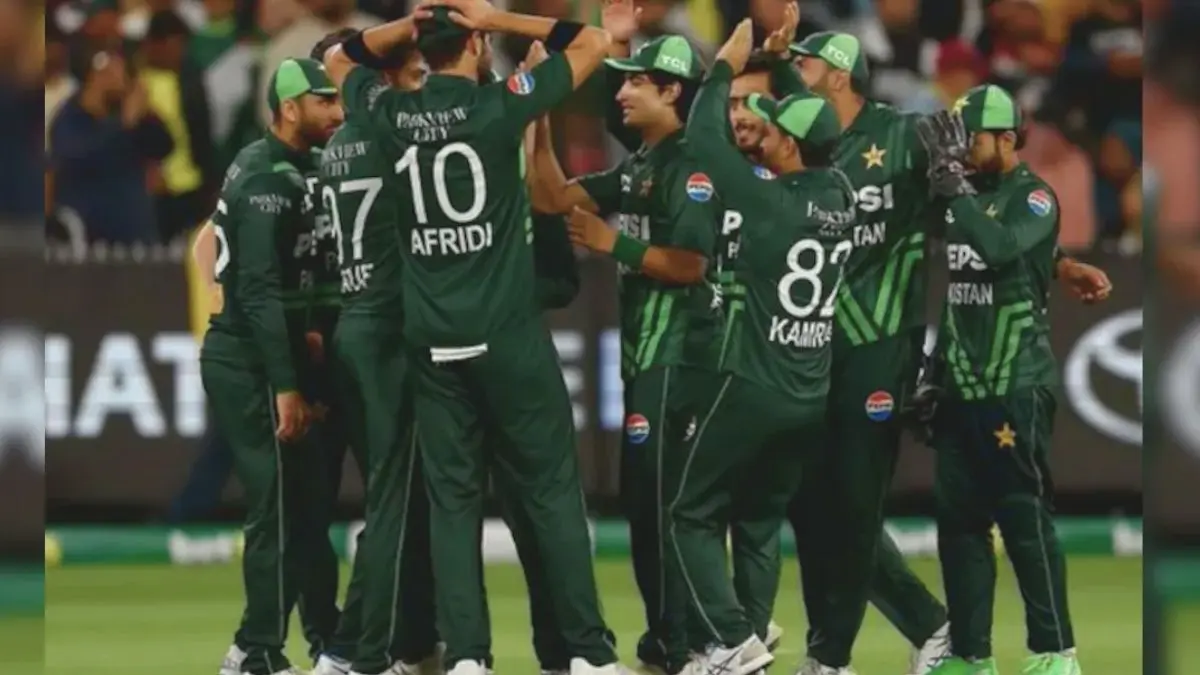
Pakistan vs Netherlands Scorecard: Sahibzada Farhan and Salman Mirza Shine in T20 WC 2026
