
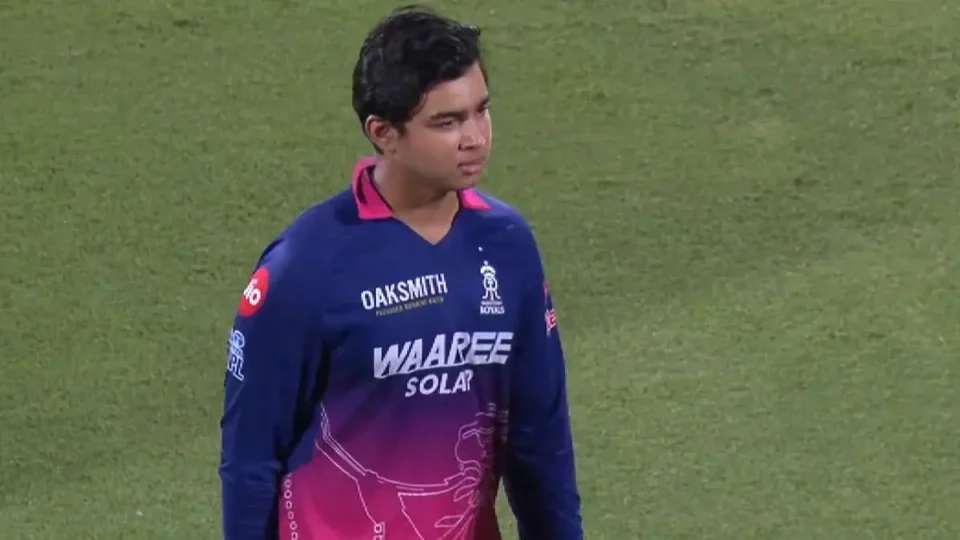
Vaibhav Suryavanshi 103 Goes in Vain as SRH Pull Off Epic Run Chase
The IPL never fails to deliver drama, but some nights feel almost cinematic in their intensity—and this clash between Rajasthan Royals (RR) and Sunrisers Hyderabad (SRH) was exactly that. It wasn’t just another league game; it was a contest packed with towering sixes, nerve-wracking moments, and a chase that felt like a rollercoaster ride from start to finish. With RR posting a massive total of 228/6 in 20 overs, the stage was set for something extraordinary. But what unfolded next was beyond expectation.
From the very first ball, there was an electric atmosphere. Fans sensed they were witnessing something special. A total above 220 in T20 cricket is often considered match-winning, and historically, teams defending such scores have a strong advantage. Yet, T20 cricket thrives on unpredictability, and SRH walked onto the field with belief rather than intimidation.
The scoreboard wasn’t just numbers—it was pressure, expectation, and a challenge thrown openly. Could SRH chase it down? Or would RR’s batting brilliance seal the deal? What followed was a story of resilience, fearless cricket, and moments that defined modern T20 gameplay.
Rajasthan Royals (RR) Batting
| Player Name | Runs | Balls |
| Yashasvi Jaiswal | 10 | 8 |
| Vaibhav Sooryavanshi | 103 | 37 |
| Dhruv Jurel | 51 | 35 |
| Riyan Parag | 7 | 9 |
| Donovan Ferreira | 33 | 16 |
| Shimron Hetmyer | 11 | 10 |
| Ravindra Jadeja | 4 | 3 |
| Jofra Archer | 2 | 2 |
Teams, Form, and Expectations
Both teams entered the match with contrasting narratives. Rajasthan Royals had been showcasing a balanced lineup, blending youth and experience effectively. Their batting order, featuring aggressive openers and reliable middle-order players, had consistently delivered. On the other hand, Sunrisers Hyderabad had built a reputation for explosive batting, often relying on aggressive starts and fearless chases.
Expectations leaned slightly toward RR, especially after their batting depth was revealed once again in this match. However, SRH had players capable of turning games single-handedly. Names like Ishan Kishan, Abhishek Sharma, and Heinrich Klaasen carried the promise of fireworks.
The clash wasn’t just about runs; it was about mindset. Would RR’s total prove too steep, or would SRH redefine what’s possible in a chase? As the innings break concluded, the anticipation reached its peak, setting up a second innings that would leave fans breathless.
Rajasthan Royals’ Explosive Batting Display
Yashasvi Jaiswal’s Early Intent
Yashasvi Jaiswal stepped onto the pitch with purpose. There was no hesitation, no cautious probing—just pure attacking cricket. Although his stay was relatively short, scoring 10 runs off 8 balls, his approach set the tone. In T20 cricket, even brief innings can shift momentum, and Jaiswal ensured RR started on the front foot.
He targeted the bowlers early, looking to disrupt their rhythm. His boundary shots weren’t just about scoring—they were statements. Even though his innings ended sooner than expected, it planted the seed of aggression that would define RR’s batting performance.
Vaibhav Suryavanshi’s Stunning Century
Then came the standout performance of the night—Vaibhav Suryavanshi’s breathtaking 103 off just 37 balls. It wasn’t just a century; it was an exhibition of fearless batting. With 5 fours and 12 sixes, he dominated the SRH bowling attack, turning good deliveries into boundary opportunities.
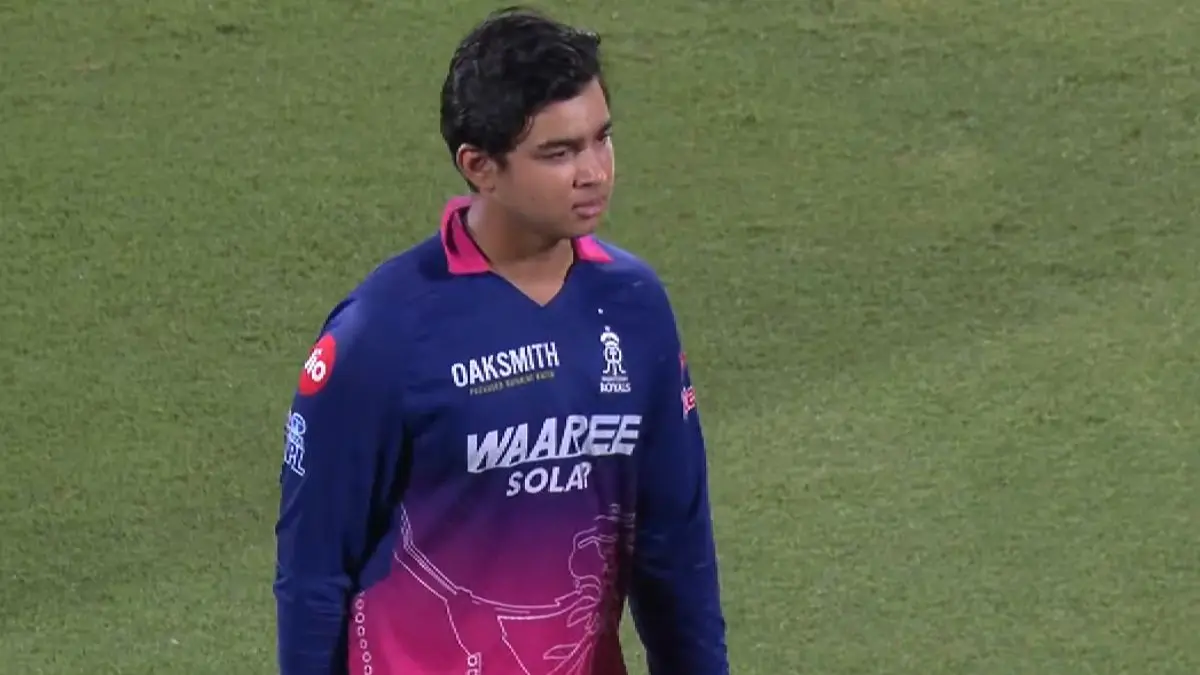
Watching him bat felt like witnessing controlled chaos. Every shot carried intent, precision, and confidence. Bowlers tried everything—pace variations, yorkers, bouncers—but nothing seemed to work. Suryavanshi’s innings was a reminder of how T20 cricket has evolved, where batters don’t just respond—they dictate.
His strike rate of 278.38 tells the story more vividly than words ever could. It was the kind of innings that forces opponents to rethink strategies mid-game.
Middle-Order Contributions and Stability
While Suryavanshi grabbed headlines, the contributions from the middle order ensured RR reached a commanding total. Dhruv Jurel’s 51 off 35 balls provided stability, anchoring the innings while maintaining a healthy scoring rate. Meanwhile, Donovan Ferreira’s quick 33 off 16 balls added the finishing touches.
These partnerships were crucial. They prevented collapses and ensured the momentum never dipped. Even when wickets fell, the incoming batters continued the aggressive approach, keeping SRH under constant pressure.
By the end of 20 overs, RR had posted 228/6, a total that looked formidable on any pitch. But in T20 cricket, no total is ever truly safe—and that belief would soon be tested.
Sunrisers Hyderabad’s Bowling Struggles
Key Wickets but Expensive Overs
SRH’s bowlers found themselves in a tough spot. While they managed to pick up wickets at intervals, the cost was high. Every breakthrough seemed to be followed by an onslaught of boundaries. Bowlers like Eshan Malinga and Nitish Kumar Reddy had moments of success but struggled to maintain consistency.
The issue wasn’t just execution—it was pressure. When a batter is striking at nearly 300, even good deliveries can disappear into the stands. That’s exactly what happened. The bowlers were forced onto the defensive, and once that happens in T20 cricket, control begins to slip.
Tactical Decisions and Missed Opportunities
There were also moments where SRH could have shifted momentum but didn’t. Dropped chances, misfields, and questionable bowling changes added to their woes. In high-scoring games, small mistakes often lead to big consequences.
Despite these challenges, SRH didn’t lose belief. They knew chasing was their strength, and if they could replicate even 80% of RR’s batting intensity, the match was still within reach.
The Chase Begins: SRH’s Aggressive Mindset
Early Setback with Travis Head
Chasing 229 runs is never easy, and losing Travis Head early for just 6 runs could have been a major setback. Head is known for his explosive starts, and his dismissal brought a moment of silence among SRH fans.
Sunrisers Hyderabad (SRH) Batting
| Player Name | Runs | Balls |
| Travis Head | 6 | 5 |
| Abhishek Sharma | 57 | 29 |
| Ishan Kishan | 74 | 31 |
| Heinrich Klaasen | 29 | 24 |
| Nitish Kumar Reddy | 36 | 18 |
| Salil Arora | 8 | 3 |
| Aniket Verma | 1 | 1 |
But here’s the thing about great T20 teams—they don’t dwell on setbacks. They respond.
Abhishek Sharma’s Counterattack
Abhishek Sharma stepped up with intent, scoring 57 off 29 balls. His innings was a perfect blend of aggression and control. He didn’t just rebuild the innings—he accelerated it. Boundaries flowed, and suddenly, the required run rate didn’t seem as intimidating.
His partnership with Ishan Kishan began to tilt the game. It was no longer about survival—it was about domination.
Building Momentum Through Boundaries
As the chase intensified, Ishan Kishan emerged as the heartbeat of SRH’s innings, delivering a performance that perfectly balanced aggression with intelligence. His knock of 74 runs off just 31 balls was not just impactful—it was transformative. At a time when the required run rate hovered dangerously high, Kishan didn’t merely keep up; he dismantled the pressure entirely.
What made his innings so special wasn’t just the boundaries—it was when they came. Kishan showed an acute awareness of the match situation, choosing the right bowlers to target and the right moments to accelerate. Whether it was stepping down the track to loft spinners over long-on or slicing fast bowlers through the off-side, every shot felt deliberate. His strike rate of over 230 reflected a batter completely in control, even when the stakes were sky-high.
Watching him bat felt like watching a chess player who was always three moves ahead. He wasn’t reacting to the bowlers; he was dictating terms. His ability to find gaps, rotate strike, and then suddenly explode with back-to-back sixes kept RR’s bowlers constantly guessing.
More importantly, Kishan’s innings sent a clear message to the dressing room and fans alike—this chase was not only possible, it was on. His confidence became contagious, lifting the entire team’s energy and shifting the momentum decisively in SRH’s favor.
Partnerships That Defined the Chase
Cricket, especially T20, often revolves around partnerships, and Kishan ensured he built them effectively. His stand with Abhishek Sharma laid the foundation, combining aggression with smart running between the wickets. Together, they chipped away at the target, ensuring the required run rate never spiraled out of control.
After Abhishek’s dismissal, Kishan seamlessly transitioned into another crucial partnership with Heinrich Klaasen. This phase of the innings was critical. Many teams falter here—losing momentum after a key wicket—but SRH did the opposite. Kishan adapted his approach, rotating strike more frequently while allowing Klaasen to settle in.
These partnerships weren’t just about runs; they were about tempo control. They ensured that RR never had a window to dominate. Every time RR seemed to regain control, SRH responded with a boundary or a clever over of singles.
By the time Kishan departed, he had done more than score runs—he had engineered the chase to a point where victory was within touching distance.
Heinrich Klaasen and Nitish Reddy’s Crucial Roles
Maintaining Required Run Rate
When Heinrich Klaasen took charge, the equation was still demanding, but far from impossible. Klaasen, known for his clean hitting and composure under pressure, delivered exactly what SRH needed. His 29 runs off 24 balls might not look explosive at first glance, but they were incredibly valuable in context.
Klaasen’s role was clear—anchor the innings while keeping the scoreboard ticking. He ensured there were no unnecessary risks, especially during overs where boundaries were hard to come by. His ability to rotate strike allowed SRH to avoid stagnation, which can be deadly in big chases.
At the other end, Nitish Kumar Reddy’s quickfire 36 off 18 balls injected fresh momentum. If Kishan had laid the foundation and Klaasen stabilized things, Reddy brought the finishing energy. His fearless hitting, particularly in the death overs, ensured the required run rate kept dropping.
Together, they formed a partnership that balanced caution with aggression—a combination that often decides T20 matches.
Handling Pressure in Death Overs
The final overs of a chase like this are where nerves are tested. Every ball carries weight, and one mistake can shift the game. But SRH handled this phase with remarkable composure.
Reddy’s approach was particularly impressive. Instead of overthinking, he trusted his instincts. When he saw an opportunity, he went for it—whether it was a lofted drive or a pull shot into the stands. His clarity under pressure stood out.
Klaasen, on the other hand, ensured stability. Even as wickets fell around him, he maintained focus, guiding the chase with calm precision. Their combined efforts ensured that SRH didn’t panic, even when RR attempted to fight back with crucial breakthroughs.
Turning Points That Changed the Game
Key Wickets and Missed Chances
Every match has defining moments, and this one was no exception. One of the biggest turning points was the dismissal of Abhishek Sharma just when he looked set for a match-winning knock. RR sensed an opportunity to claw back, but they couldn’t capitalize fully.
Another crucial moment came with Kishan’s wicket. Had RR managed to build pressure immediately after his dismissal, the result might have been different. Instead, SRH’s middle order absorbed the impact and kept the chase alive.
Missed chances also played a role. In high-scoring games, dropped catches or misfields can be costly. RR had a few such moments, and SRH made them pay.
Momentum Swings Throughout the Match
The match was a classic example of shifting momentum. RR dominated the first innings, setting a daunting total. But SRH flipped the script with their aggressive chase.
At different stages, both teams seemed ahead. RR had control after early wickets, SRH surged ahead during partnerships, and the balance kept shifting until the final overs.
This constant ebb and flow is what made the match so gripping. It wasn’t just about runs—it was about who handled the pressure better at crucial moments.
Final Overs Drama and SRH Victory
Calculated Risks and Execution
As the match entered its final phase, the equation became tighter but manageable. SRH needed composure, and that’s exactly what they displayed. Instead of reckless hitting, they chose calculated aggression—targeting specific bowlers and capitalizing on loose deliveries.
Every boundary in the final overs felt like a nail in RR’s hopes. The batters showed remarkable awareness, ensuring they didn’t leave too much for the last over.
Winning Moment and Reactions
When the winning runs were finally scored, it wasn’t just relief—it was celebration. SRH had achieved something special, chasing down 229 runs with 9 balls to spare.
The dugout erupted, players embraced, and fans witnessed a moment that would be remembered for seasons to come. For RR, it was heartbreak. They had done so much right, yet it wasn’t enough.
Statistical Highlights and Match Analysis
Batting Performances Comparison
| Team | Top Performer | Runs | Strike Rate |
|---|---|---|---|
| RR | Vaibhav Suryavanshi | 103 | 278.38 |
| SRH | Ishan Kishan | 74 | 238.71 |
This table highlights the standout performers, but it also tells a deeper story—both teams showcased exceptional batting quality.
Bowling Figures and Impact
While the bowlers had a tough day, their impact cannot be ignored. Wickets at crucial moments kept the match alive, even if the runs flowed freely.
Conclusion: A Match to Remember
This wasn’t just a cricket match—it was a spectacle of modern T20 brilliance. From RR’s explosive batting to SRH’s fearless chase, every moment contributed to an unforgettable contest. Matches like these redefine expectations, reminding fans why they love the game.
SRH’s victory will be remembered not just for the result, but for the manner in which it was achieved—with confidence, resilience, and relentless intent.
FAQs
1. Who was the top scorer in the match?
Vaibhav Suryavanshi was the top scorer with 103 runs, while Ishan Kishan led SRH with 74.
2. How many runs did SRH chase?
SRH successfully chased 229 runs.
3. Who played the most impactful innings for SRH?
Ishan Kishan’s 74 off 31 balls was crucial in shaping the chase.
4. What was the turning point of the match?
Key partnerships, especially involving Kishan and Klaasen, shifted momentum toward SRH.
5. How many wickets did SRH win by?
SRH won the match by 5 wickets.
