
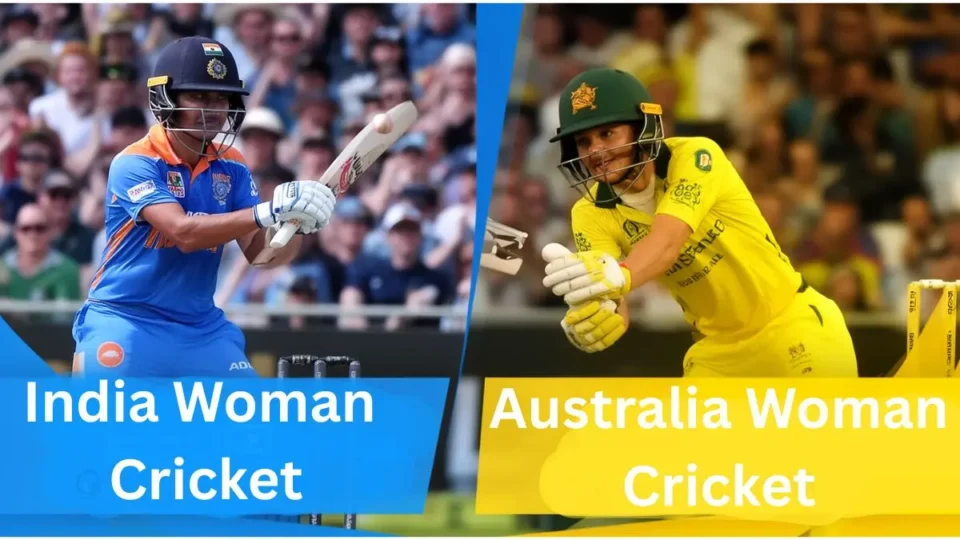
India Women’s National Cricket Team vs Australia Women’s National Cricket Team Match ODI
| Australia Women Squad | India Women Squad |
| Kim Garth | Harmanpreet Kaur (C) |
| Alyssa Healy (C) (Wk) | Smriti Mandhana |
| Ellyse Perry | Sneh Rana |
| Nicola Carey | Deepti Sharma |
| Beth Mooney (Wk) | Jemimah Rodrigues |
| Tahlia McGrath | Renuka Singh |
| Ashleigh Gardner | Harleen Deol |
| Sophie Molineux | Shafali Verma |
| Annabel Sutherland | Richa Ghosh (Wk) |
| Georgia Wareham | Kashvee Gautam |
| Alana King | Amanjot Kaur |
| Phoebe Litchfield | Pratika Rawal |
| Darcie Brown | Kranti Gaud |
| Georgia Voll | Vaishnavi Sharma |
| Nallapureddy Charani | |
| Gunalan Kamalini (Wk) |
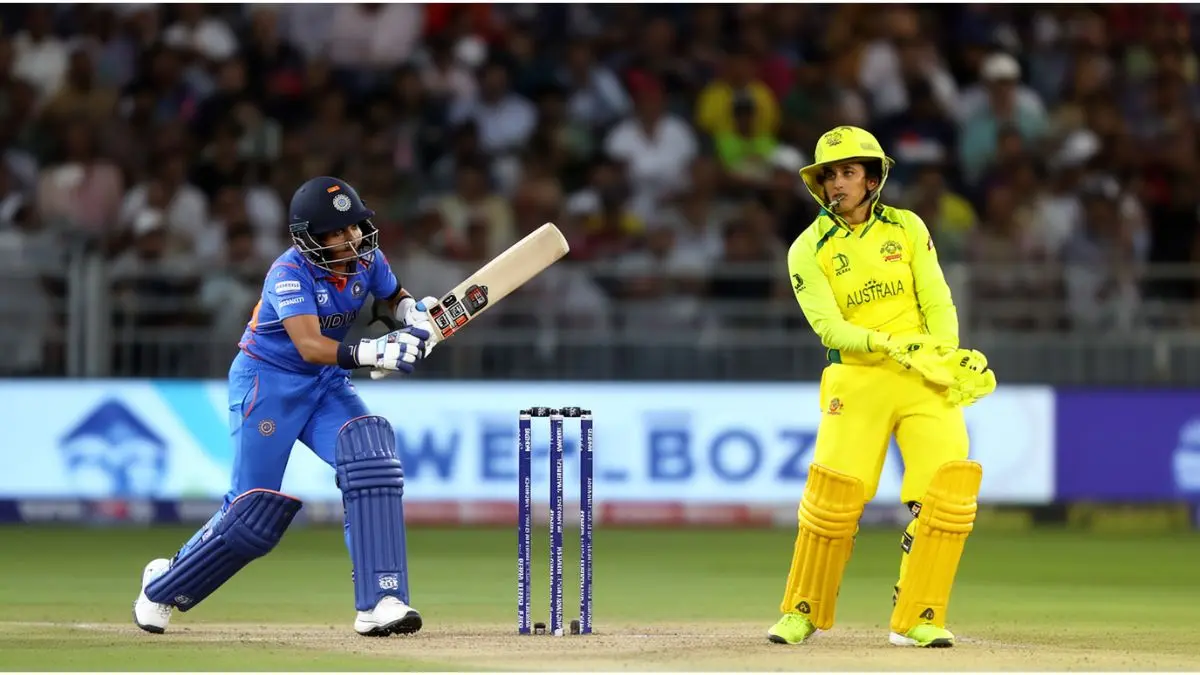
When India Women take on Australia Women in an ODI (One Day International), it is never just another cricket match. It’s a battle of skill, strategy, resilience, and pride. Over the years, this rivalry has evolved into one of the most compelling contests in women’s cricket. Whether it’s a bilateral series, an ICC tournament, or a high-stakes decider, an ODI between these two sides promises drama, quality cricket, and unforgettable moments.
In this article, we dive deep into a hypothetical yet realistic ODI encounter between India Women’s National Cricket Team and Australia Women’s National Cricket Team, analyzing the squads, strengths, match progression, tactical battles, key performers, and what this contest means for women’s cricket globally.
Overview of the Rivalry
India and Australia are two powerhouses of women’s cricket. Australia, with multiple World Cup titles and a long history of dominance, has often set the benchmark. India, on the other hand, has steadily grown into a formidable force, challenging the Australians with skillful batters, clever spinners, and fearless young talents.
In ODIs especially, this rivalry has produced some of the most memorable matches in recent years. From thrilling chases to dramatic collapses, every encounter has added a new chapter to the story.
The Squads: Strength Meets Depth
Australia Women Squad
-
Kim Garth
-
Alyssa Healy (C) (Wk)
-
Ellyse Perry
-
Nicola Carey
-
Beth Mooney (Wk)
-
Tahlia McGrath
-
Ashleigh Gardner
-
Sophie Molineux
-
Annabel Sutherland
-
Georgia Wareham
-
Alana King
-
Phoebe Litchfield
-
Darcie Brown
-
Georgia Voll
Australia’s squad is a blend of experience and youth. With seasoned campaigners like Ellyse Perry and Alyssa Healy, and exciting all-rounders such as Tahlia McGrath and Ashleigh Gardner, they bring immense versatility to the field. Their bowling attack is equally diverse, featuring pace from Darcie Brown and spin from Alana King and Georgia Wareham.
India Women Squad
-
Harmanpreet Kaur (C)
-
Sneh Rana
-
Deepti Sharma
-
Jemimah Rodrigues
-
Renuka Singh
-
Harleen Deol
-
Shafali Verma
-
Richa Ghosh (Wk)
-
Kashvee Gautam
-
Amanjot Kaur
-
Pratika Rawal
-
Kranti Gaud
-
Vaishnavi Sharma
-
Nallapureddy Charani
-
Gunalan Kamalini (Wk)
India’s squad reflects a balance between explosive youth and experienced leadership. Harmanpreet Kaur leads from the front, supported by Smriti Mandhana’s elegance and Deepti Sharma’s all-round brilliance. Renuka Singh anchors the pace attack, while the spin department is enriched by Sneh Rana and others.
Pre-Match Build-Up
The atmosphere before an India vs Australia ODI is electric. Fans from both nations eagerly anticipate the clash. Analysts discuss key matchups—Mandhana vs Darcie Brown, Healy vs Renuka Singh, Gardner vs Deepti Sharma.
The pitch report suggests a good batting surface with some assistance for spinners in the second innings. Winning the toss could be crucial, especially under lights where dew might play a role.
Australia, known for their aggressive brand of cricket, prefer to set a target. India, comfortable chasing, look confident either way.
The Toss and Team Strategy
Australia win the toss and opt to bat first. Alyssa Healy explains that the pitch looks solid and they want to put runs on the board and apply scoreboard pressure.
India’s captain Harmanpreet Kaur expresses confidence in her bowling attack, emphasizing the importance of early wickets.
First Innings: Australia Batting
Powerplay: Aggressive Intent
Alyssa Healy and Phoebe Litchfield walk out to open. Renuka Singh takes the new ball for India. The first few overs are tightly contested, with Renuka swinging the ball both ways.
However, Healy soon finds her rhythm, smashing boundaries through point and midwicket. Litchfield plays a steady supporting role. Australia reach 55/0 at the end of the powerplay.
Middle Overs: Building the Platform
India introduce spin with Sneh Rana and Deepti Sharma. The spinners slow the run rate and apply pressure. Litchfield falls to a clever arm ball from Deepti.
Ellyse Perry joins Healy. The duo stabilizes the innings. Healy reaches her half-century, displaying a mix of power and precision. Perry rotates the strike intelligently.
Healy eventually falls for a well-made 78, caught in the deep off Sneh Rana. At 150/2 in 28 overs, Australia are well placed.
Acceleration Phase
Tahlia McGrath and Ashleigh Gardner add quick runs. Gardner, in particular, takes on the spinners, hitting two sixes over long-on.
Annabel Sutherland contributes a valuable cameo. Despite disciplined bowling at the death from Renuka Singh, Australia finish strongly at 285/7 in 50 overs.
Key Performers (Australia)
-
Alyssa Healy – 78 (92 balls)
-
Ellyse Perry – 64 (85 balls)
-
Ashleigh Gardner – 42 (30 balls)
-
Renuka Singh – 2/52
Australia’s total of 285 looks competitive on a good surface.
Second Innings: India’s Chase
Early Overs: A Solid Start
Smriti Mandhana and Shafali Verma open the innings. Darcie Brown starts with pace and aggression.
Mandhana’s cover drives are a treat to watch. Shafali plays fearlessly, pulling short balls for boundaries. India reach 60/1 in 10 overs, with Shafali falling after a brisk 32.
Middle Order Consolidation
Jemimah Rodrigues joins Mandhana. The duo builds a steady partnership. Mandhana reaches her fifty in style.
Australia bring on spin through Alana King and Ashleigh Gardner. King breaks the partnership, dismissing Rodrigues.
Harmanpreet Kaur walks in and takes control. Her calculated aggression keeps India in the hunt. Mandhana eventually departs for 74.
At 180/3 in 35 overs, the game is evenly poised.
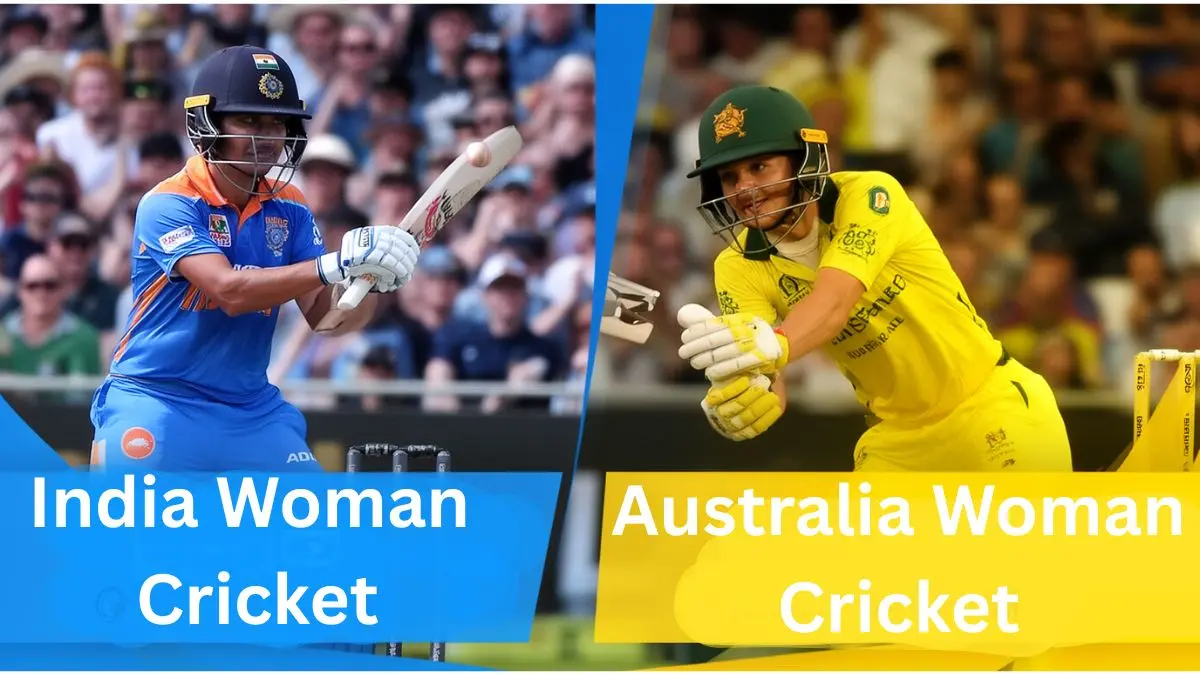
The Turning Point
Ashleigh Gardner produces a brilliant spell, dismissing Harmanpreet and Richa Ghosh in quick succession. India suddenly slip to 210/5.
The pressure mounts.
Deepti Sharma and Sneh Rana attempt to rebuild. They rotate strike and find occasional boundaries.
With 40 runs required off the last 5 overs, the tension is palpable.
Final Overs Drama
Darcie Brown bowls a fiery 46th over, conceding only 4 runs and picking up Deepti Sharma.
India now need 30 off 18 balls.
Renuka Singh surprises everyone with a couple of boundaries. The equation comes down to 10 runs off the final over.
Annabel Sutherland bowls the last over.
-
Ball 1: Single
-
Ball 2: Two runs
-
Ball 3: Wicket!
-
Ball 4: Four!
-
Ball 5: Single
-
Ball 6: India need 2 to win… and they get only 1!
Australia win by 1 run in a thrilling finish.
Match Summary
| Team | Score |
|---|---|
| Australia Women | 285/7 (50 overs) |
| India Women | 284/9 (50 overs) |
Australia win by 1 run.
Tactical Analysis
Australia’s Strengths
-
Aggressive top order.
-
Versatile all-rounders.
-
Strong finishing ability.
-
Sharp fielding standards.
India’s Positives
-
Solid opening partnership.
-
Effective spin bowling in middle overs.
-
Fighting spirit till the last ball.
Player of the Match
Alyssa Healy earns Player of the Match for her crucial 78 at the top, setting the tone for Australia’s total.
What This Match Means
This ODI once again highlights why India vs Australia is such a celebrated rivalry. Australia’s consistency and ability to handle pressure make them world leaders. India’s growth and fearless approach show they are not far behind.
Matches like these inspire young cricketers across the globe. Women’s cricket continues to gain popularity, and high-quality contests like this drive that momentum forward.
Conclusion
An ODI between India Women and Australia Women is more than a game; it is a showcase of elite athleticism, tactical intelligence, and emotional resilience. This thrilling 1-run victory for Australia demonstrates how evenly matched these teams are.
As women’s cricket continues to grow, rivalries like this will shape its future. The next encounter between these two giants promises even more excitement, drama, and world-class cricket.
The Evolution of India vs Australia in Women’s ODIs
If you rewind the clock a decade or two, the gap between Australia Women and most international teams—including India—was glaring. Australia operated like a well-oiled machine, dominating tournaments and bilateral series with ruthless efficiency. But over time, something changed. India began to close the distance. Slowly. Patiently. Strategically.
The 2017 Women’s World Cup was a turning point for India. That tournament didn’t just showcase their talent; it reshaped how the cricketing world viewed them. Since then, every ODI clash between India and Australia has carried a different energy—less of a David vs Goliath narrative and more of a heavyweight boxing match where both fighters know one punch can change everything.
Australia’s dominance still stands tall in terms of ICC trophies and win percentages. They’ve mastered consistency. But India has developed depth. The emergence of players like Smriti Mandhana, Harmanpreet Kaur, Deepti Sharma, and Renuka Singh has given the team new dimensions. Their fearless approach, especially in chasing big totals, has transformed their ODI identity.
And that’s what makes this rivalry fascinating. Australia represent structure, athleticism, and mental steel. India represent flair, resilience, and emotional momentum. When these two cricketing philosophies collide, the result is rarely predictable.
Leadership Battle: Alyssa Healy vs Harmanpreet Kaur
Leadership in ODI cricket isn’t just about field placements or bowling changes—it’s about reading moments. It’s about sensing shifts in pressure before they become obvious. And in this match, the captains played a crucial role.
Alyssa Healy’s Tactical Mind
Healy is not just an aggressive opener; she’s an instinctive captain. Her decision to bat first reflects Australia’s confidence in defending totals. They thrive on scoreboard pressure. By posting 285, she ensured India had to chase under mental strain from ball one.
Her bowling rotations were sharp. Bringing Ashleigh Gardner back at the exact moment India looked settled changed the match. It wasn’t flashy. It was calculated. That’s Australia’s strength—control in chaos.
Harmanpreet Kaur’s Fighting Spirit
Harmanpreet leads differently. She thrives in emotional battles. When India were chasing and lost quick wickets, she didn’t retreat. She counterattacked. That’s her style—absorbing pressure and responding with authority.
Her field placements in the first innings, especially during the middle overs, slowed Australia’s momentum significantly. Introducing spin early showed proactive thinking. India may have lost by 1 run, but her aggressive mindset kept them alive until the final ball.
This leadership duel wasn’t just tactical—it was psychological. And honestly? It felt evenly matched.
Bowling Departments: Pace vs Spin Masterclass
ODI cricket is often defined by how well teams control the middle overs. And in this match, both bowling attacks had moments of dominance.
Australia’s Pace Battery
Darcie Brown was electric. Her pace unsettled Indian batters early and late in the innings. In the death overs, when every run mattered, she executed yorkers with surgical precision. That 46th over—just 4 runs and a wicket—tilted the match.
Kim Garth and Annabel Sutherland supported well, mixing slower balls with back-of-length deliveries. Australia’s pace strategy was simple: attack the stumps, force mistakes, no freebies.
India’s Spin Web
India’s strength has long been spin, and this match reinforced that reputation. Sneh Rana and Deepti Sharma slowed Australia’s charge during the middle overs. Their ability to vary flight and pace frustrated established batters.
Spin in ODIs isn’t just about taking wickets; it’s about squeezing the run rate. And India executed that beautifully between overs 15 to 35.
But here’s the fine margin—Australia accelerated better in the final 10 overs. That’s where the game slipped slightly from India’s grip.
The Mental Game: Pressure, Nerves, and Tiny Margins
Let’s talk about the elephant in the room—pressure.
A 1-run defeat isn’t about skill gaps. It’s about moments. A misfield. A dot ball. A missed yorker. A single not taken. ODI cricket, especially between elite teams, often boils down to inches.
In the final over, India needed 10 runs. That’s achievable. But under stadium lights, with thousands watching and millions tuning in, even the simplest single feels heavier.
Australia’s fielders were razor-sharp. Every throw was direct. Every dive saved something. These tiny contributions don’t always show up in scorecards, but they decide matches.
India showed immense composure too. Getting that close against a team like Australia reflects their growing mental toughness. There was no panic. Just controlled aggression.
This wasn’t a game lost in fear. It was a game decided by margins so thin they could disappear under a microscope.
Emerging Stars from the Match
While senior players delivered, a few younger names quietly made strong statements.
Phoebe Litchfield
Her composed innings at the top provided Australia stability. She didn’t rush. She didn’t overhit. She absorbed pressure and rotated strike—hallmarks of a mature ODI batter.
Shafali Verma
Her aggressive start gave India momentum in the chase. Even though she didn’t convert it into a big score, her fearless approach put Australia on the defensive early.
Annabel Sutherland
Bowling the final over in a high-pressure game takes courage. Defending 10 runs against a strong batting side is no small task. She held her nerve. That’s big-match temperament.
These performances signal something important—the next generation is ready.
Statistical Breakdown of the Match
Here’s a quick look at some key numbers:
| Category | Australia | India |
|---|---|---|
| Total Runs | 285 | 284 |
| Top Scorer | Healy (78) | Mandhana (74) |
| Best Bowler | Gardner (3 wickets) | Renuka (2 wickets) |
| Powerplay Runs | 55/0 | 60/1 |
| Last 10 Overs | 75 runs | 68 runs |
Notice something? The difference in the last 10 overs—just 7 runs. That’s the match right there.
Fielding Standards: The Silent Difference
Fielding rarely gets headlines unless there’s a spectacular catch. But Australia’s fielding unit is arguably the best in the world. Their anticipation, speed between the wickets, and boundary saves often save 15–20 runs per match.
In tight games, that’s gold.
India’s fielding has improved dramatically in recent years. Fitness standards are rising, and young players are more athletic than ever. But Australia still have that extra edge in sharpness.
It’s not a criticism—it’s an area where India are still climbing.
Fan Reactions and Global Impact
Matches like this don’t just entertain—they inspire.
Social media exploded after the final ball. Fans from both countries praised the intensity and quality of cricket. Young girls watching this match saw heroes battling fearlessly. That visibility matters.
Women’s cricket is no longer a secondary spectacle. Crowds are growing. Broadcast deals are improving. And contests like India vs Australia are central to that growth.
Every thriller adds fuel to the movement.
What India Can Take Forward
Losing by 1 run hurts. But it also clarifies things.
India can take away:
-
Confidence in chasing big totals
-
Effectiveness of middle-over spin control
-
Strength of top-order partnerships
-
Ability to fight till the last ball
If they polish death-over execution—both with bat and ball—they can flip these close results.
What Australia Reinforced
Australia once again proved:
-
They handle pressure better than most
-
Their all-rounders offer balance
-
Fielding wins tight matches
-
Depth in squad ensures stability
This isn’t dominance by accident. It’s built on structure, preparation, and ruthless consistency.
Looking Ahead: Future Encounters
The exciting part? This rivalry is far from over.
With ICC tournaments approaching and bilateral series scheduled regularly, we’re likely to see many more nail-biters. India are evolving fast. Australia remain the benchmark.
The gap? Narrowing.
The intensity? Rising.
The entertainment? Guaranteed.
Final Thoughts
An ODI between India Women’s National Cricket Team and Australia Women’s National Cricket Team is cricket at its finest—strategy, skill, heart, and high drama wrapped into 100 overs.
This 1-run thriller reminds us why sport is so addictive. Because sometimes, after hours of brilliance, everything comes down to one delivery.
And that’s the beauty of it.
Additional FAQs
1. Why are India vs Australia ODIs so competitive?
Because both teams have strong batting lineups, versatile all-rounders, and world-class bowlers, making outcomes unpredictable.
2. Who has historically dominated this rivalry?
Australia have historically had the upper hand, but India have significantly closed the gap in recent years.
3. What role does spin play in these matches?
Spin often controls the middle overs, especially on subcontinent pitches, making it a crucial factor.
4. How important is fielding in tight ODIs?
Extremely important. Saved runs and sharp catches often decide close contests.
5. Is women’s ODI cricket growing globally?
Yes. Increased broadcasting, sponsorships, and competitive matches have boosted its global popularity tremendously.
6. Who won the ODI match between India Women and Australia Women in this scenario?
Australia Women won by 1 run in a thrilling finish.
7. Who was the top scorer in the match?
Alyssa Healy was the top scorer with 78 runs.
8. What was the final score of the match?
Australia scored 285/7, and India finished at 284/9.
9. Who was the Player of the Match?
Alyssa Healy was awarded Player of the Match.
10. Why is India vs Australia a big rivalry in women’s cricket?
Because both teams are among the strongest in the world, and their matches consistently produce high-quality, competitive cricket.
