
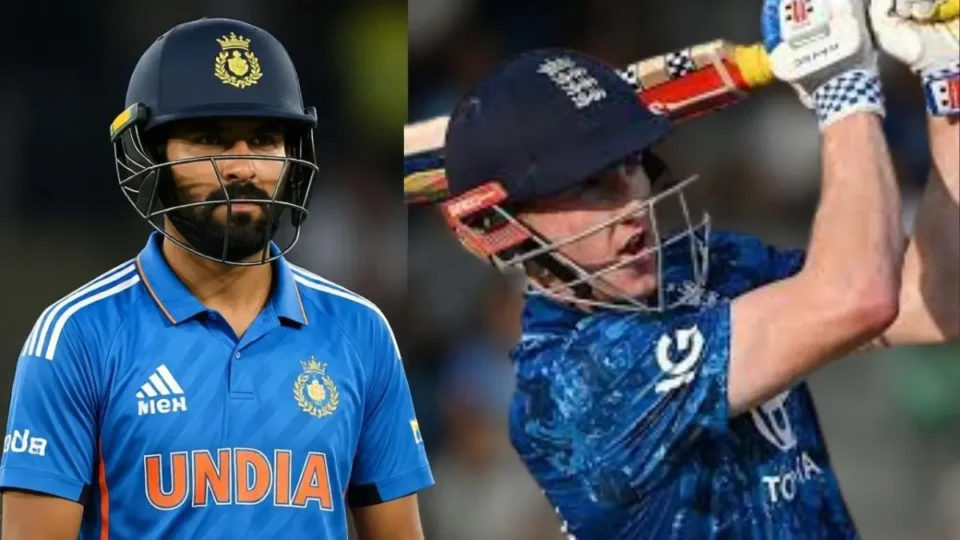
India National Cricket Team vs England National Cricket Team Stats
| Format | Match | India Won | England Won | Draw |
| Test | 136 | 35 | 51 | 50 |
| ODI | 110 | 61 | 44 | 5 (3 NR, 2 Tied) |
| T20I | 29 | 17 | 12 | 0 |
| Total | 275 | 113 | 107 | 55 |
The rivalry dates back to 1932 when India played its first-ever Test match at Lord’s. From that moment, a narrative began—one filled with dramatic collapses, historic centuries, controversial umpiring decisions, and unforgettable bowling spells. What makes this rivalry unique is how it has evolved across formats. In Tests, it’s tactical and gritty. In ODIs, it’s strategic and explosive. In T20Is, it’s sheer entertainment.
Both nations have experienced golden eras. England dominated early decades with their technical superiority. India, especially post-2000, built a powerhouse team capable of winning overseas. The stats tell a story, but the emotions attached to them? That’s where the magic lies. Let’s break down the numbers and see how this epic rivalry truly stacks up.
Total Matches Played and Win Distribution
Let’s talk numbers because that’s where rivalries become measurable. Across all three formats combined—Tests, ODIs, and T20Is—India and England have faced each other 275 times.
Here’s how the record stands:
| Format | Matches | India Won | England Won | Draw/No Result |
|---|---|---|---|---|
| Test | 136 | 35 | 51 | 50 |
| ODI | 110 | 61 | 44 | 5 (3 NR, 2 Tied) |
| T20I | 29 | 17 | 12 | 0 |
| Total | 275 | 113 | 107 | 55 |
At first glance, it’s incredibly close. India holds a slight overall edge with 113 wins compared to England’s 107. But here’s where it gets interesting: England dominates in Test cricket historically, while India has a stronger record in limited-overs formats.
In Tests, England’s 51 wins highlight their early dominance, especially before India became a competitive force overseas. However, India’s rise in the 21st century narrowed that gap significantly.
In ODIs and T20Is, India clearly has the upper hand. Modern white-ball cricket seems to favor India’s aggressive batting depth and spin-heavy bowling strategy.
The total numbers reveal something crucial—this rivalry isn’t one-sided. It’s balanced, competitive, and constantly shifting.

Home vs Away Performance Analysis
Cricket isn’t played in a vacuum. Conditions matter. And nowhere is that more evident than in India vs England matches.
In England, swinging conditions, overcast skies, and seaming wickets traditionally favored the home side. India struggled for decades to win Test series there. The Dukes ball, moving both ways, exposed technical flaws in Indian batting lineups during the 70s, 80s, and 90s.
But things changed.
India’s historic Test series wins in England in 2007 and the competitive 2021-22 series showed a transformation. Indian fast bowlers like Jasprit Bumrah and Mohammed Siraj adapted beautifully to English conditions.
Meanwhile, in India, spin dominates. English batters historically found subcontinental pitches challenging. The 2012 Test series win by England in India was rare and remarkable, largely powered by Alastair Cook and Graeme Swann.
In ODIs and T20Is, home advantage still plays a role but less dramatically. Flat pitches in India lead to high-scoring thrillers, while English grounds offer balanced contests.
So yes, home advantage exists—but both teams have proven capable of breaking it.
Test Cricket Stats – Tradition Meets Endurance
If there’s one format that truly defines the soul of the India vs England rivalry, it’s Test cricket. This is where patience is tested, where technique is exposed, and where mental toughness separates legends from ordinary players. Test cricket between these two nations spans nearly a century, and the numbers reflect a journey of transformation.
Overall Test Record Breakdown
India and England have played 136 Test matches against each other. Out of those, England has won 51, India has won 35, and 50 matches ended in draws. At first glance, England’s lead might look significant. But context matters. England dominated the early decades when India was still building its cricketing foundation. During the first few series in the 1930s and 1940s, India was largely inexperienced at the international level.
The dynamic began to shift in the 1970s when India registered its first Test series win in England in 1971 under Ajit Wadekar’s captaincy. That victory was more than a statistical improvement—it was symbolic. It signaled India’s arrival on the global stage.
Since the 2000s, India has become far more competitive overseas. Series wins in England in 2007 and strong performances in 2021-22 highlight this evolution. On Indian soil, England has traditionally struggled, particularly against quality spin attacks. Their 2012 series win in India stands out as a rare achievement.
The 50 drawn matches also tell an important story. Test cricket between these two teams has often been tightly contested. Weather interruptions in England and flat pitches in India contributed to many stalemates. But those draws were rarely dull—they were battles of attrition.
Memorable Test Series Between India and England
Some series go beyond numbers and become folklore. The 1971 series in England was historic because India defeated England 1-0, with Bhagwat Chandrasekhar’s magical bowling at The Oval sealing the deal. That series changed how the world viewed Indian cricket.
Fast forward to 2002, when India fought back to draw the series 1-1 in England. Rahul Dravid, Sachin Tendulkar, and Sourav Ganguly delivered memorable performances. Then came the iconic 2007 series, where India won 1-0, thanks to Zaheer Khan’s swing mastery.
The 2014 series in England saw James Anderson dominate Indian batters, resulting in a heavy defeat for India. But cricket loves redemption stories. In 2021, India led the series 2-1 before the final Test was postponed, showcasing one of their strongest overseas performances ever.
In India, the 2016 series was one-sided, with India winning 4-0. Spin twins Ravichandran Ashwin and Ravindra Jadeja dismantled England’s batting lineup.
Each of these series reshaped the statistical balance slightly, but more importantly, they reshaped perceptions.
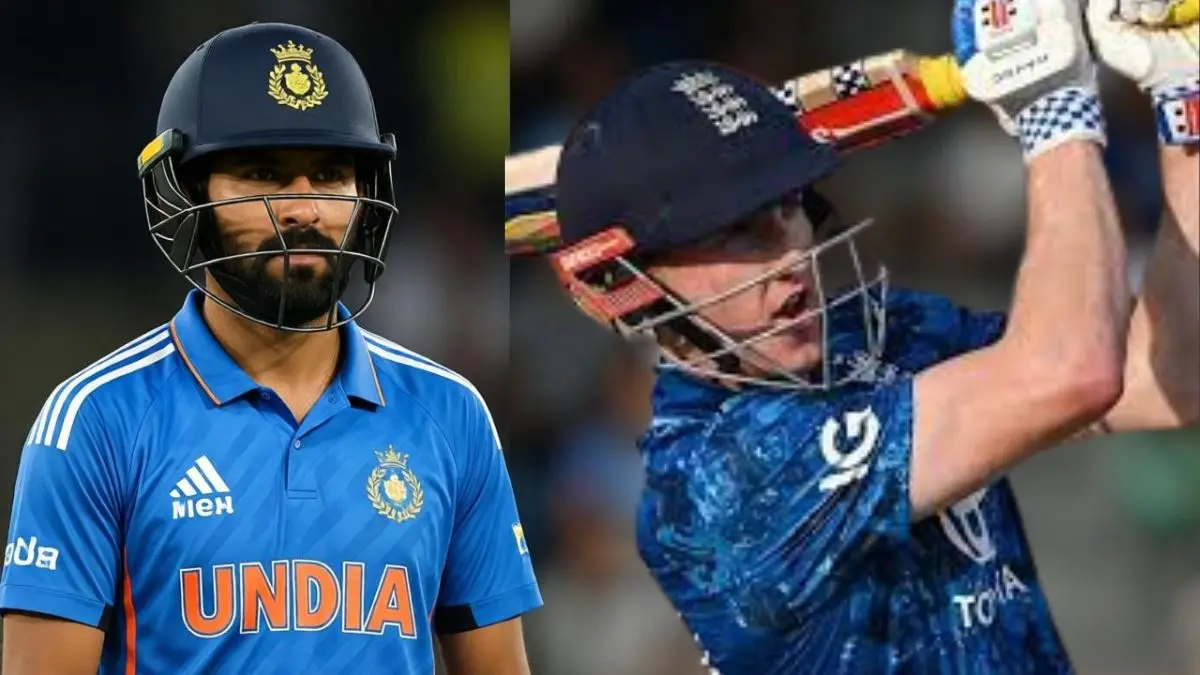
Leading Run Scorers in Tests
When you think about runs in India vs England Tests, several names immediately surface.
For India:
-
Sachin Tendulkar scored over 2,500 runs against England in Tests.
-
Sunil Gavaskar and Rahul Dravid consistently delivered in English conditions.
-
Virat Kohli, after a disappointing 2014 tour, made a spectacular comeback in 2018 with 593 runs in the series.
For England:
-
Alastair Cook stands tall with more than 2,400 runs against India.
-
Joe Root has been a modern-day tormentor, scoring heavily both at home and in India.
-
Graham Gooch’s 333 at Lord’s in 1990 remains one of the highest individual scores in the rivalry.
These run tallies reflect adaptability. Scoring centuries in swinging English conditions or on turning Indian pitches requires entirely different skill sets.
Leading Wicket Takers in Tests
Bowling has often dictated the outcome of India vs England Tests.
For India:
-
Anil Kumble dominated England with his relentless accuracy.
-
Ravichandran Ashwin has been particularly lethal on Indian soil.
-
Kapil Dev played a crucial role in India’s overseas successes.
For England:
-
James Anderson is the highest wicket-taker in this rivalry, exploiting swing conditions masterfully.
-
Stuart Broad consistently troubled Indian batters with seam movement.
-
Graeme Swann played a key role in England’s rare 2012 series win in India.
Test cricket between these nations is a chess match. Bowlers often dictate tempo, and their statistics prove it.
One Day Internationals (ODIs) – The Evolution of Modern Rivalry
Test cricket may be traditional, but ODIs brought flair and unpredictability into the India vs England rivalry.
ODI Head-to-Head Statistics
India and England have played 110 ODI matches against each other. India leads with 61 wins, while England has won 44, and 5 matches ended in no result or ties.
The ODI rivalry truly intensified after the 1983 World Cup, which India famously won. Since then, India has consistently been a dominant force in limited-overs cricket.
During the 1990s, England struggled to adapt to the evolving aggressive style of ODI cricket. Meanwhile, India thrived with batting legends like Sachin Tendulkar and Sourav Ganguly redefining opening partnerships.
England’s white-ball revolution began around 2015 after their disappointing World Cup campaign. Since then, they’ve adopted an ultra-aggressive approach, culminating in their 2019 World Cup victory.
Still, head-to-head numbers favor India.
World Cup Clashes and ICC Tournament Stats
India and England have faced each other multiple times in ICC tournaments. One of the most memorable matches was during the 2011 World Cup, which ended in a dramatic tie. Sachin Tendulkar scored a brilliant century, but England fought back.
In the 2019 World Cup, England defeated India in a crucial group-stage match. That win kept England’s campaign alive, eventually leading them to lift the trophy.
In T20 World Cups, India has enjoyed greater success against England, including the dominant semi-final win in 2022.
ICC tournaments add pressure, and statistics in knockout matches often define legacies.
Highest Team Totals and Record Chases
Modern ODI cricket has seen massive totals between these two sides. In 2017, England posted 350+ totals multiple times against India. India responded in kind, chasing down big scores thanks to centuries from Rohit Sharma and Virat Kohli.
One of the highest-scoring encounters saw over 700 combined runs in a single match. That’s modern cricket for you—fearless batting, deep lineups, and aggressive intent.
These high totals reflect how both teams embraced attacking cricket.
Top ODI Performers (Batting & Bowling)
For India:
-
Sachin Tendulkar remains a giant in this rivalry.
-
Rohit Sharma has multiple centuries against England.
-
Jasprit Bumrah has delivered crucial spells in recent years.
For England:
-
Eoin Morgan played key match-winning knocks.
-
Jonny Bairstow has been explosive at the top.
-
Ben Stokes’ all-round performances changed game dynamics.
ODIs between India and England often feel like heavyweights exchanging punches.
T20 Internationals – The High-Voltage Era
T20I Head-to-Head Overview
In T20Is, India leads with 17 wins out of 29 matches, while England has 12 wins. The format is shorter, sharper, and more unpredictable. But India’s depth in batting and spin advantage often makes the difference.
Iconic T20 Encounters
Who can forget Yuvraj Singh’s six sixes off Stuart Broad in the 2007 T20 World Cup? That single over became part of cricket folklore.
The 2022 T20 World Cup semi-final, however, saw England dominate India completely, chasing down the target without losing a wicket. That match showed how ruthless England can be in this format.
Standout T20 Performers
India’s strength lies in explosive batters like Suryakumar Yadav and versatile bowlers like Hardik Pandya. England counters with power hitters like Jos Buttler and dynamic all-rounders like Sam Curran.
T20 cricket between these teams feels like controlled chaos—blink and you miss it.
Statistical Comparison of Current Squads
Cricket rivalries are not just about history; they are about the present moment. Every time India and England lock horns, the conversation quickly shifts to squad depth, current form, and statistical firepower. Looking at the most recent squads announced for bilateral series, you can immediately sense the balance between youth and experience on both sides. Numbers attached to these players reveal how evenly matched these teams truly are.
India Squad Strength & Key Numbers
India’s current squad reflects a blend of explosive batting, versatile all-rounders, and a fast-bowling unit that has matured tremendously over the last decade. Players like Suryakumar Yadav, Rohit Sharma, and Virat Kohli (in recent seasons) have consistently maintained strong averages across formats. Suryakumar, particularly in T20Is, has maintained a strike rate above 170 in certain calendar years, which is elite by global standards. That kind of acceleration changes games within a few overs.
The bowling attack tells an equally compelling story. Jasprit Bumrah has often averaged under 25 in Tests and maintains an economy rate under 7 in T20Is—numbers that put him among the best fast bowlers in the world. Add Mohammed Siraj’s improving overseas record and the spin threat of Ravichandran Ashwin or Kuldeep Yadav, and India suddenly looks adaptable to multiple conditions.
What makes India statistically formidable is depth. Even lower-order players like Hardik Pandya and Ravindra Jadeja contribute heavily with both bat and ball. Jadeja’s Test average hovering around 35 with the bat and under 25 with the ball makes him one of the most valuable all-rounders in modern cricket.
India’s squad strength lies in flexibility. Need a spin-heavy attack? Done. Want three pacers and seam movement overseas? No problem. The numbers back up their versatility.
England Squad Strength & Key Numbers
England, meanwhile, has reinvented itself—especially in white-ball cricket. Since 2015, England’s ODI strike rates have skyrocketed. Openers like Jonny Bairstow and Jos Buttler often score at strike rates exceeding 100 in ODIs, which was once considered aggressive but is now their baseline approach.
In Tests, Joe Root has been the statistical backbone. Averaging over 50 in Test cricket for a significant stretch of his career, Root has scored heavily against India both at home and away. His ability to play spin in India—where many overseas batters struggle—sets him apart.
England’s bowling arsenal includes seasoned campaigners like James Anderson, whose tally of over 600 Test wickets makes him one of the greatest fast bowlers ever. Younger bowlers like Jofra Archer (when fit) and Mark Wood bring raw pace that unsettles even technically sound Indian batters.
England’s numbers reflect aggression. They are willing to trade stability for speed, especially in limited-overs formats. That high-risk, high-reward strategy has yielded an ODI World Cup trophy and consistent semi-final appearances in ICC events.
Captains Who Defined the Rivalry
Statistics often highlight players, but leadership shapes eras. India vs England has seen some of cricket’s finest captains influencing results far beyond their personal numbers.
For India, Kapil Dev led during a transformative period. Though his captaincy record against England was mixed, his aggressive mindset changed how India approached overseas tours. Sourav Ganguly brought fearlessness in the early 2000s, particularly in England where he famously waved his shirt at Lord’s—a symbolic gesture of confidence.
MS Dhoni added calmness and tactical sharpness. Under his leadership, India became the No.1 Test team and dominated in limited-overs cricket. Then came Virat Kohli, whose intensity pushed India to compete fiercely in England, especially during the 2018 and 2021 series.
England has had its share of influential leaders too. Michael Vaughan led the 2005 Ashes-winning side and also captained effectively against India. Alastair Cook’s leadership during the 2012 India tour was strategic brilliance, guiding England to a rare series win in India.
Leadership statistics—win percentages, overseas victories, ICC progression—often mirror the personality of the captain. When analyzing India vs England, captaincy has frequently tipped the balance in tightly contested series.
Venue Analysis – Performance at Iconic Grounds
Certain grounds feel almost sacred when India and England clash. Lord’s, often called the “Home of Cricket,” has hosted several historic encounters. India’s famous 1983 World Cup triumph didn’t come against England, but their 2002 NatWest final win there certainly did. That ODI final remains one of the most iconic victories in India’s limited-overs history.
At The Oval, India secured their first Test win in England in 1971. Decades later, they returned to register another memorable victory in 2021. The ground seems to carry emotional weight for Indian fans.
In India, venues like Wankhede Stadium in Mumbai and MA Chidambaram Stadium in Chennai have produced spin-dominated thrillers. England’s 2012 win in Mumbai was powered by disciplined batting and Graeme Swann’s spin wizardry.
Statistically, teams tend to dominate at home venues, but certain grounds break patterns. For example, India’s improving record at Lord’s over the past decade shows how adaptability can shift venue-based trends.
Ground dimensions, pitch types, weather, and crowd atmosphere all influence statistics. Numbers never exist in isolation—they breathe within context.
India vs England in ICC Finals and Knockouts
Knockout matches amplify pressure. Every run feels heavier. Every wicket swings momentum harder.
India and England have crossed paths in ICC tournaments multiple times, though not frequently in finals against each other. The 2013 ICC Champions Trophy final saw India defeat England in a rain-affected thriller. That match showcased India’s composure under pressure.
In T20 World Cups, England’s 2022 semi-final demolition of India was statistically dominant. Chasing 169 without losing a wicket in a knockout game is no small feat. That performance significantly shifted T20 rivalry conversations.
Knockout stats often differ from bilateral series numbers. Teams may dominate head-to-head records but falter in high-pressure ICC moments. England’s recent white-ball resurgence has improved their knockout success rate considerably.
Statistical Trends Over the Decades
If you zoom out and analyze decade-by-decade data, fascinating patterns emerge.
From the 1930s to the 1960s, England clearly dominated Tests. India was developing and learning. The 1970s and 1980s saw India become competitive at home but inconsistent overseas.
The 1990s brought balance. The 2000s marked India’s rise as a global powerhouse. The 2010s saw England revolutionize white-ball cricket while India solidified Test dominance at home.
Since 2020, contests have become increasingly balanced across formats. The win margins are narrower. The strike rates are higher. The bowling speeds are faster.
Cricket analytics has also evolved. Teams now rely on data-driven strategies. Match-ups—like targeting specific bowlers or exploiting spin weaknesses—are planned meticulously. This has made contests more tactical than ever before.
Key Records and Milestones in the Rivalry
Several individual records stand tall in this rivalry:
-
Highest individual Test score: Graham Gooch’s 333 at Lord’s (1990).
-
Most Test runs in the rivalry: Sachin Tendulkar and Alastair Cook among the leaders.
-
Best bowling figures in Tests: Anil Kumble’s match-winning spells on Indian soil.
-
Most sixes in a T20I over: Yuvraj Singh’s iconic six sixes in 2007.
In ODIs, multiple 300+ and 350+ team totals reflect the modern era’s batting dominance. England’s shift to aggressive white-ball cricket after 2015 resulted in record-breaking totals, including scores exceeding 400 in ODIs (though not all against India).
These milestones shape narratives. Fans remember moments, but statisticians preserve them.
The Psychological Edge – Momentum Swings in Numbers
Rivalries aren’t just physical contests; they’re mental battles. When one team wins convincingly, momentum carries into future matches.
India’s dominance at home creates psychological pressure for England touring the subcontinent. Meanwhile, England’s swing-friendly conditions test India’s technical resilience.
Momentum often reflects in streaks—consecutive wins in a format or unbeaten runs in bilateral series. Breaking those streaks can redefine a rivalry chapter.
Future Outlook – What the Stats Predict
If current trends continue, limited-overs contests will remain high-scoring affairs. India’s batting depth and England’s fearless approach ensure thrilling encounters.
In Tests, results may increasingly depend on fast-bowling depth rather than spin alone. Both teams are investing heavily in pace development.
Statistically, the rivalry is too balanced to predict clear dominance. Future series will likely continue the pattern—home advantage playing a role but not guaranteeing victory.
Conclusion
The India National Cricket Team vs England National Cricket Team stats reveal more than numbers. They tell a story of growth, adaptation, and relentless competition. England’s early dominance in Tests, India’s rise in limited-overs cricket, England’s white-ball revolution, and India’s overseas resurgence—all blend into a rivalry that remains one of cricket’s most compelling.
From Lord’s to Mumbai, from timeless Tests to explosive T20Is, this contest continues to evolve. The numbers may shift with every series, but one truth remains constant: when India and England meet, cricket wins.
FAQs
1. Who has won more matches overall between India and England?
India holds a slight overall lead with 113 wins compared to England’s 107 across all formats.
2. Which team dominates in Test cricket?
Historically, England leads in Test wins, but India has narrowed the gap significantly in recent decades.
3. Who are the top run scorers in this rivalry?
Sachin Tendulkar for India and Alastair Cook for England are among the leading run scorers.
4. What is the most iconic T20 moment between the two teams?
Yuvraj Singh’s six sixes off Stuart Broad in the 2007 T20 World Cup remains unforgettable.
5. How balanced is the rivalry today?
Very balanced. India leads in limited-overs formats, while Test contests remain competitive, especially with evolving squads.
